


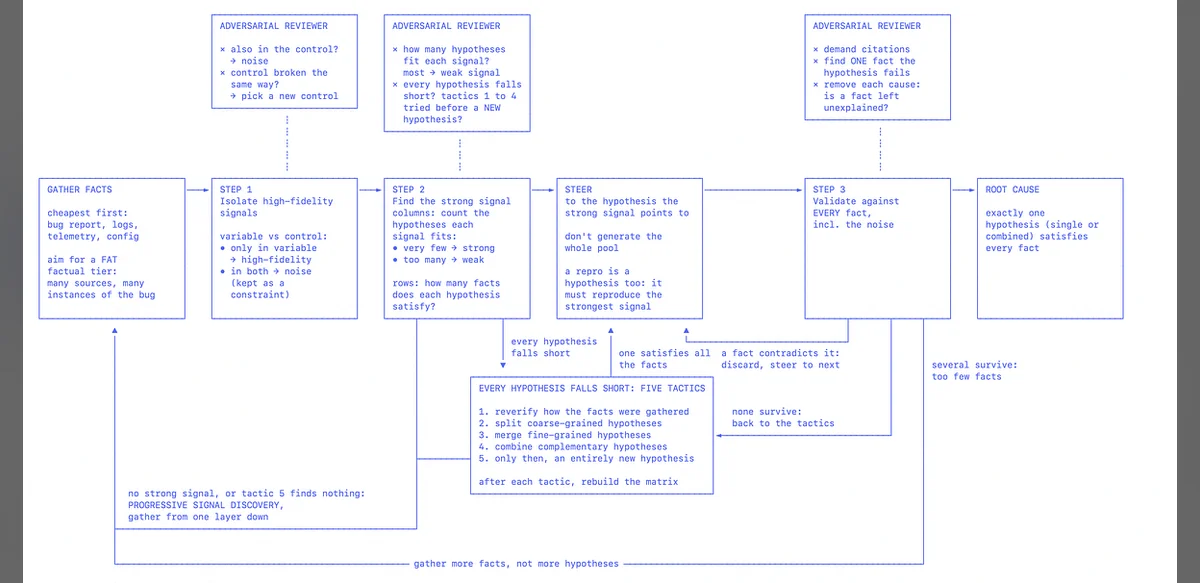
Software development often reaches a point where codebases grow so complex that even experienced engineers struggle to follow the logic. This situation arises frequently in large projects involving legacy systems or rapid iterations by multiple teams. Effective debugging in such cases requires structured approaches rather than random trial and error.
One foundational step involves isolating the problematic section through systematic testing. Developers can create minimal reproducible examples by stripping away unrelated components. This narrows the scope and reveals whether the issue stems from a specific module or interaction between parts.
Logging plays a central role when direct comprehension fades. Adding detailed output statements at key execution points helps trace program flow without altering core behavior. Modern tools allow conditional logging that activates only under certain conditions, reducing performance overhead during normal operation.
Version control history offers another valuable resource. Examining recent commits and associated changes can highlight modifications that introduced the fault. Pairing this with automated tests from earlier stages often uncovers regressions introduced over time.
Collaboration with colleagues provides fresh perspectives. Even without full understanding, describing symptoms and observed behaviors can lead others to spot patterns. Code reviews focused on the affected area encourage collective problem solving.
Refactoring for clarity becomes essential in prolonged debugging sessions. Breaking large functions into smaller, well-named units improves readability and makes future maintenance easier. This process should occur gradually to avoid introducing new errors.
Automated analysis tools assist by flagging potential issues such as memory leaks or unused variables. Static analyzers scan code without execution and suggest improvements based on established patterns.
Documentation updates during the process ensure that insights gained are preserved. Recording assumptions tested and outcomes observed builds institutional knowledge for the team.
Patience and methodical pacing prevent burnout. Taking breaks and returning with renewed focus often leads to breakthroughs after prolonged exposure to the same problem.
Ultimately these techniques combine to restore control over opaque code. Organizations benefit from investing in training on these methods to maintain productivity across evolving projects.


