


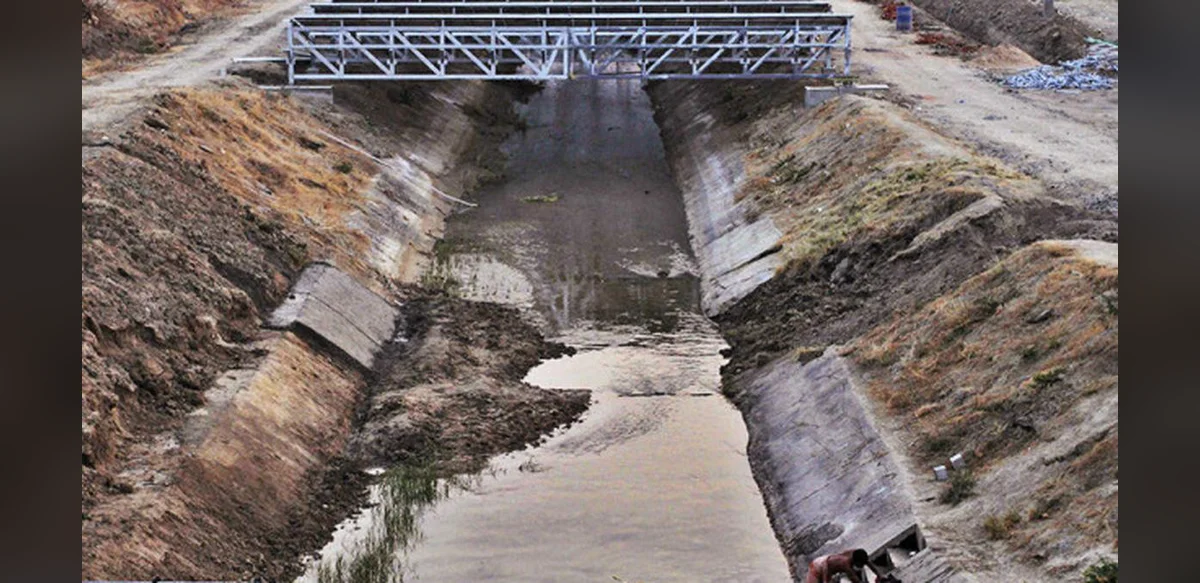
India continues to expand its renewable energy infrastructure through innovative approaches that minimize environmental disruption. One such method involves placing solar panels directly over existing canals. This technique draws parallels with floating solar installations but focuses on utilizing the space above water channels rather than open water bodies.
The primary benefit lies in eliminating the need for extra land. As acquiring property for large solar farms grows more costly, this approach provides a practical alternative. Officials note that land prices and availability have become significant hurdles in scaling up solar capacity across various regions.
In one documented case from Punjab, a project involving 20 megawatts of capacity installed over canals resulted in the conservation of nearly 100 acres. This outcome highlights how the strategy can preserve agricultural or undeveloped areas while still advancing clean energy targets.
Canal networks in India span thousands of kilometers, offering substantial potential for such installations. Engineers design the structures to allow water flow underneath while capturing sunlight efficiently. Maintenance access remains straightforward due to the linear layout of the canals.
Compared to traditional ground-mounted systems, these installations reduce conflicts with farming activities. Farmers and local communities often express concerns about land use changes, yet canal-top projects address those issues directly by avoiding competition for arable ground.
The technology also supports broader goals of sustainable development. By leveraging existing infrastructure, planners can accelerate deployment without lengthy approval processes tied to new land purchases. This efficiency proves valuable in meeting national renewable energy milestones.
Further advantages include reduced evaporation from canal water due to shading from the panels. Although not the main focus, this secondary effect contributes to water conservation in arid zones where canals serve irrigation needs.
Implementation requires careful engineering to withstand weather conditions and ensure structural stability. Panels are secured on frames elevated above the water, allowing for regular canal maintenance and monitoring.
As costs for conventional land-based solar continue to rise, interest in canal-top systems is expected to grow. Policymakers view this as a complementary solution alongside other renewable methods to diversify energy sources.
Overall, the integration of photovoltaics with canal infrastructure represents a thoughtful adaptation to local geography and resource constraints. It demonstrates how targeted innovations can support energy transition efforts while respecting land limitations in densely populated or agriculturally intensive areas.
Continued evaluation of performance data from existing sites will inform future expansions. Data on energy output, durability, and overall impact will guide refinements in design and placement strategies.
This method aligns with efforts to balance development and conservation. By focusing on underutilized spaces above water channels, India can pursue ambitious solar targets without exacerbating land scarcity issues.
Stakeholders emphasize the importance of integrating such projects into regional planning. Coordination between energy agencies and water management authorities ensures that installations do not interfere with canal operations or flood control measures.
In summary, canal-top photovoltaics offer a viable pathway for expanding solar capacity in a land-efficient manner. The Punjab example underscores tangible savings in acreage, reinforcing the approach as a scalable option for other states with extensive canal systems.


