

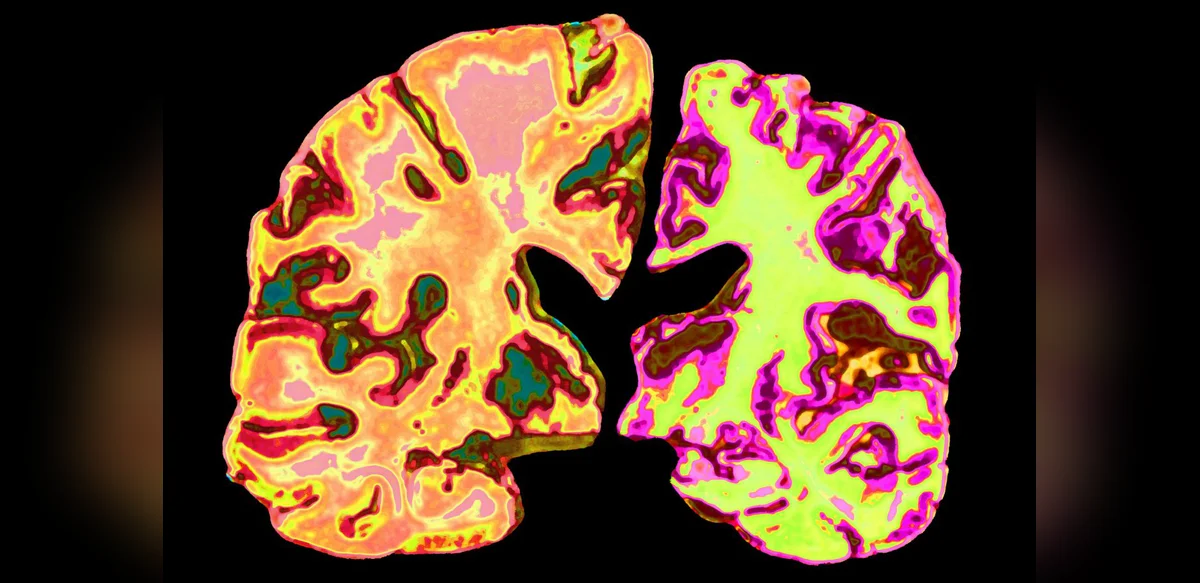
Recent developments in medical research have drawn attention to the possibility that low doses of lithium might play a role in reducing the risk of Alzheimer’s disease. Animal experiments have indicated that a specific form known as lithium orotate shows promise in delaying the onset of dementia symptoms. Building on these findings, researchers are preparing to launch a clinical trial involving human participants to determine whether similar protective effects can be observed.
Alzheimer’s disease remains one of the most significant neurological challenges facing aging populations worldwide. It progressively impairs memory, thinking, and behavior, ultimately affecting daily functioning. Current treatments focus primarily on managing symptoms rather than preventing the underlying processes. This limitation has prompted scientists to explore alternative approaches, including the repurposing of existing compounds such as lithium.
Lithium has long been used in psychiatric medicine, particularly for stabilizing mood in individuals with bipolar disorder. At therapeutic levels, it influences several cellular pathways that may intersect with mechanisms involved in neurodegeneration. In animal models, lithium orotate administered at lower concentrations appeared to reduce the accumulation of harmful protein deposits and support neuronal health. These observations have generated interest in whether comparable benefits might extend to people at risk of developing Alzheimer’s.
The upcoming human trial aims to address critical questions about safety and efficacy. Participants will receive carefully controlled low doses, with researchers monitoring cognitive performance, brain structure changes, and any potential side effects over an extended period. Such studies are essential because results from animal research do not always translate directly to humans. Factors including dosage, duration, and individual variability must be thoroughly evaluated.
Beyond potential benefits, experts emphasize the importance of understanding possible drawbacks. Lithium, even at reduced levels, can affect kidney and thyroid function in some individuals. Regular medical supervision would therefore be necessary if the compound were ever considered for broader preventive use. Researchers also note that self-medication is strongly discouraged, as improper use could lead to adverse outcomes.
Public health discussions around Alzheimer’s prevention often highlight lifestyle factors such as physical activity, balanced nutrition, and cognitive engagement. Should lithium demonstrate protective effects in clinical settings, it might complement these established recommendations rather than replace them. Any future integration into preventive strategies would require robust evidence from multiple large-scale studies.
The scientific community continues to monitor progress on the planned trial with measured interest. Findings could contribute to a deeper understanding of how trace elements influence brain aging. At the same time, the research underscores the complexity of developing interventions for a condition as multifaceted as Alzheimer’s disease.
In summary, while preliminary animal data suggest lithium orotate merits further investigation, conclusive answers await the results of human studies. Until then, maintaining overall brain health through proven methods remains the most reliable approach supported by current medical consensus.


