


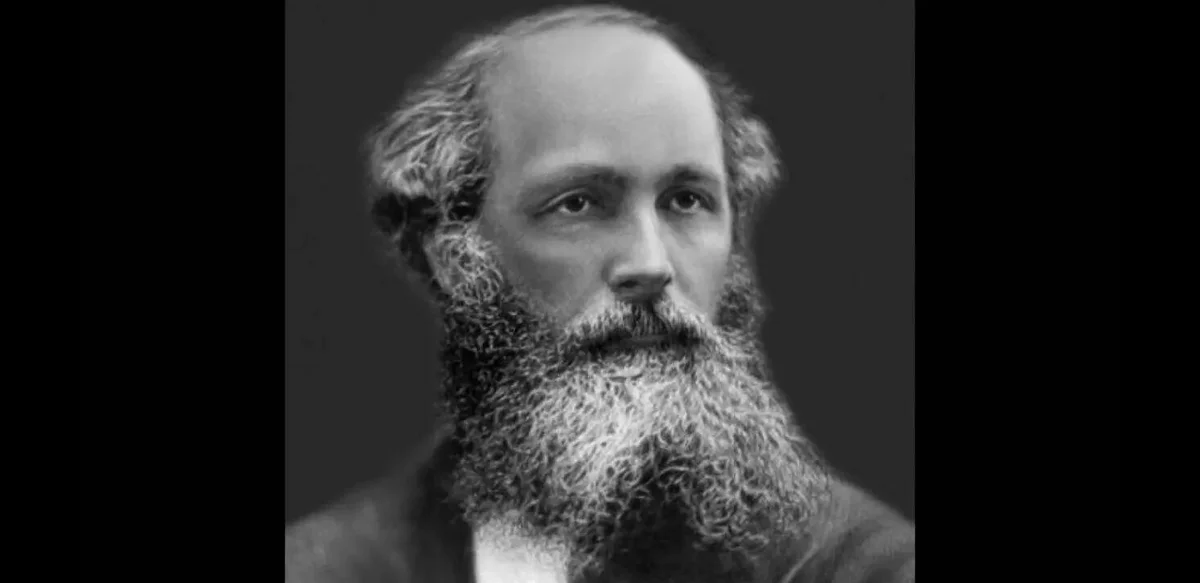
Physicist James Clerk Maxwell stated that full awareness of one’s own lack of knowledge serves as the starting point for genuine scientific advancement.
The concept appears in the account of Scottish researcher Alexander Fleming, who examined an unexpected mold growth on a bacterial sample instead of discarding it. This observation eventually produced penicillin, a major medical discovery of the twentieth century.
Accounts throughout scientific history frequently originate from uncertainty rather than established certainty or expertise. Maxwell expressed the view that progress occurs when individuals identify the limits of current understanding.
The statement promotes intellectual honesty by suggesting advancement happens when people cease assuming every question already has an answer. Astronauts viewing Earth from orbit have described similar shifts in perspective, where familiar assumptions appear limited and unknowns expand.
Experienced professionals in complex fields often report that greater study reveals additional questions. Examples include inquiries into dark matter or conditions before the Big Bang. The pattern extends beyond laboratories to business ventures, parenting, and reporting, where admitting gaps in knowledge proves beneficial.
Individuals seldom gain insight from topics they consider already mastered.

