


Scientists observed jellyfish cells moving to seal injuries without leaving scars. A decade ago at a marine lab, researcher Jocelyn Malamy saw transparent medusae of Clytia hemisphaerica close wounds rapidly. These free-swimming forms come from polyp colonies that grow on surfaces like rocks or docks. The medusae live briefly while the colonies persist for years.
Unlike most animals, these jellyfish repair small cuts in minutes and bigger ones within an hour. No scar forms, and the process resembles early development healing. Their clear bodies let observers track live cell activity without interference from immune reactions or new blood vessels.
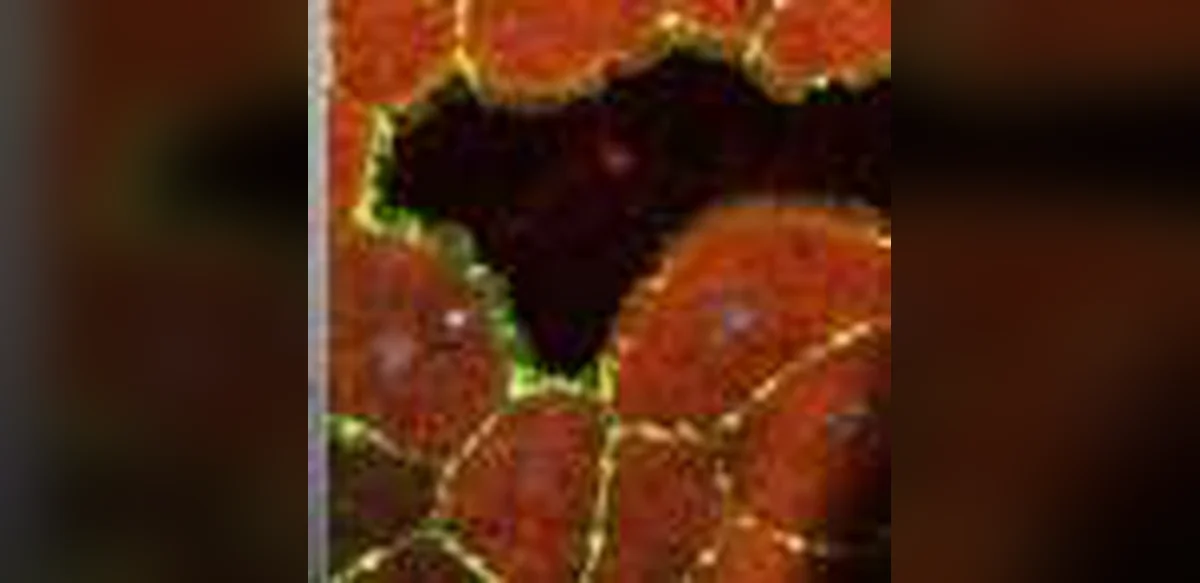
Epithelial cells, which cover body surfaces, drive the repair. Two structures work in order. First, lamellipodia extend like exploratory feet from edge cells and crawl over the underlying protein layer, pulling cells forward. Next, an actomyosin cable contracts like a drawstring to finish closing the gap. This pattern holds across wound sizes and shapes.
The work, detailed in Molecular Biology of the Cell, builds on earlier studies from 2017 and 2018. Shared mechanisms with mammals suggest the findings could apply more broadly to tissue repair research.

