


The opening half of 2026 has featured several science fiction series such as Fallout and Paradise. Yet the standout remains Star City, according to television columnist Bethan Ackerley.
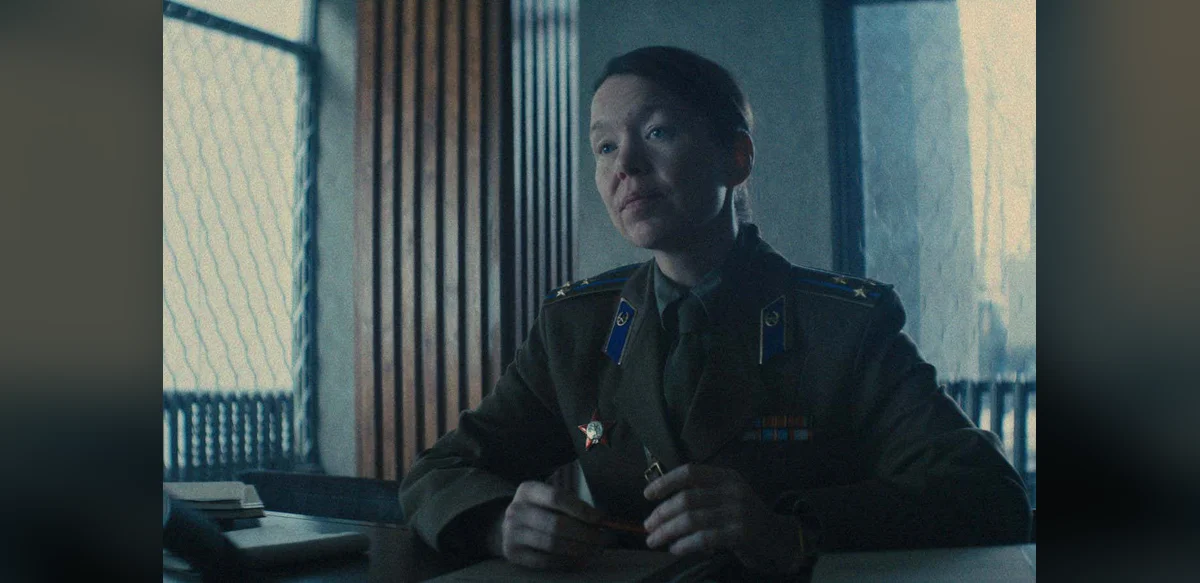
Anna Maxwell Martin delivers a chilling performance as Raskova in Star City on Apple TV.
The condition of science fiction television during the first six months of 2026 indicates room for improvement. Only one program has provided consistent satisfaction. This assessment may appear unusual for Star City, a somber alternate-history drama centered on the Soviet space effort, where figures evade KGB agents and survive dangerous space incidents. Further details follow.
Other programs offered strong sequences but included additional complications. Fallout exemplifies this pattern, having already aired three episodes of its inconsistent second season by the start of the year. In the story, a nuclear event leads select individuals to shelter in subterranean vaults while others struggle on the surface.
The main figures from the first season return: optimistic vault resident Lucy, armored soldier Max, and the irradiated gunslinger known as the Ghoul. For Lucy and Max, events largely repeat prior patterns. Max alternates between accepting and opposing the military Brotherhood of Steel, while Lucy disregards lessons from earlier dangers and criticizes the Ghoul’s aggressive methods, serving mainly as support for his arc.
The Ghoul’s narrative remains compelling and charismatic. Flashbacks reveal his pre-war acting career and efforts to locate his surviving wife, including sequences involving spies aiming to avert conflict by targeting a Las Vegas figure. These elements sustain interest in the season.
Paradise also contends with expectations following its first season’s twist about a murdered president living in a bunker after global catastrophe. The second season largely meets the challenge and introduces a similar plot thread for agent Xavier Collins, who searches for his wife in a wasteland.
The series incorporates science fiction conventions from various subgenres with greater skill than many contemporaries, though some performances fall short of Sterling K. Brown’s lead.
For All Mankind continues its premise of prolonged US-Soviet space competition, advancing its timeline to 2012 with characters on Mars pursuing further exploration. The Baldwin family anchors the story, including astronaut Ed facing arrest after aiding colonists with an asteroid. This leads to conflict between the settlement and Earth powers.
The latest season underuses the Mars-Earth tensions despite action sequences, resulting in a modest disappointment.
Star City, a spin-off from For All Mankind, provides stronger results. The shared setting diverges because engineer Sergei Korolev survives in this version, allowing the Soviet program to reach the moon first. Cosmonaut Anastasia Belikova encounters difficulties upon return, prompting KGB scrutiny led by agent Lyudmilla Raskova, portrayed chillingly by Anna Maxwell Martin. No prior viewing of the parent series is necessary.

