


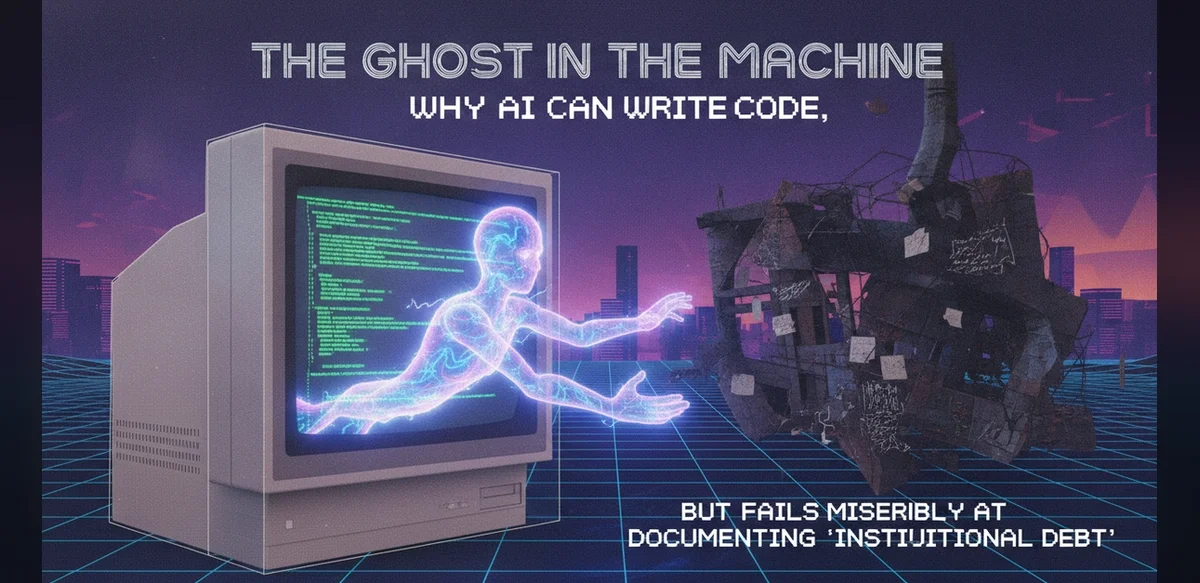
Recent discussions on professional networks highlight growing interest in how artificial intelligence tools handle software development tasks. Many observers note that these systems produce functional code efficiently yet encounter significant hurdles when addressing documentation needs tied to accumulated organizational knowledge.
Institutional debt refers to the unspoken rules, historical decisions, and contextual details that shape how teams operate over time. This form of debt builds gradually through repeated shortcuts in record-keeping and evolving project requirements. Unlike technical debt focused on code quality, institutional debt encompasses broader elements such as team workflows, past project outcomes, and informal practices that influence daily operations.
Artificial intelligence models trained on large datasets excel at pattern recognition in programming languages. They can generate scripts, debug errors, and suggest optimizations based on common practices. However, these capabilities do not extend reliably to interpreting the nuanced history behind codebases. Documentation requires understanding why certain choices were made, including constraints from earlier eras or specific stakeholder preferences that lack explicit records.
One key challenge lies in context preservation. Code generation relies on syntax and logic that follow universal rules across projects. In contrast, institutional details often remain embedded in conversations, outdated files, or individual memories. AI systems lack direct access to these sources and may produce generic descriptions that overlook critical background information.
Organizations attempting to integrate AI into documentation workflows report mixed results. Initial outputs appear polished but frequently require extensive human revisions to align with internal standards. Teams must supply additional prompts detailing project timelines and decision rationales, which reduces the promised efficiency gains.
Experts in knowledge management emphasize that effective documentation serves multiple purposes beyond code explanation. It supports onboarding processes, risk assessments, and long-term maintenance strategies. When AI falls short in these areas, it can lead to gaps that compound existing institutional debt rather than alleviating it.
Several factors contribute to these shortcomings. Training data for AI models prioritizes publicly available code repositories over private organizational archives. Privacy concerns prevent full access to sensitive institutional records. Furthermore, language models process text linearly and struggle with the interconnected, evolving nature of institutional memory that spans years of incremental changes.
Industry analysts suggest hybrid approaches as a practical response. Human writers review AI-generated drafts to inject necessary context and verify accuracy. This collaboration allows automation to handle repetitive elements while preserving human insight for complex narratives.
Future developments in AI may address some limitations through improved memory mechanisms or integration with internal databases. Yet current evidence indicates that full automation of institutional documentation remains distant. Organizations benefit from viewing these tools as assistants rather than replacements in preserving collective knowledge.
The distinction between code production and documentation underscores broader questions about AI applicability across professional domains. Tasks with clear, rule-based structures align well with machine strengths. Areas involving interpretation of history and relationships demand ongoing human involvement to maintain completeness and relevance.
In summary, while artificial intelligence advances coding productivity, its role in managing institutional debt through documentation requires careful oversight. Balanced strategies that combine technological assistance with expert input offer the most sustainable path forward for knowledge retention.

