


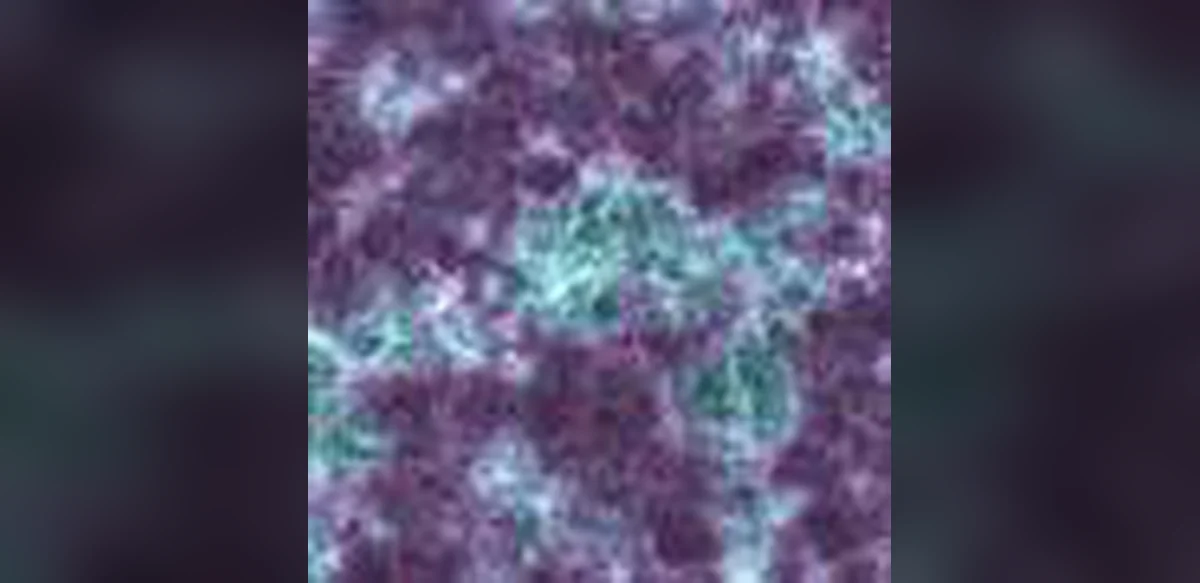
The James Webb Space Telescope along with the Nancy Roman Space Telescope continue to provide astronomers with new views of the universe’s first eras. These instruments deliver detailed observations that require advanced tools for interpretation. Researchers at the Center for Astrophysics Harvard and Smithsonian responded by creating Lumina, recognized as one of the largest and most detailed simulations of the early universe to date.
Observations from space telescopes have opened fresh windows into cosmic history. Data arrives in large volumes and shows structures that formed shortly after the beginning of time. To make sense of these findings, scientists rely on computer models that replicate conditions from billions of years ago. Lumina stands out because of its scale and level of detail, allowing direct comparison with telescope results.
The simulation focuses on the period when the first stars and galaxies began to appear. It tracks the movement of matter and the influence of gravity over vast distances. By running on powerful computing systems, Lumina produces outputs that match the resolution needed to study features seen by current observatories. This approach helps clarify how small density variations grew into the large scale structures observed today.
Astronomers use such models to test ideas about cosmic evolution. When telescope images reveal unexpected patterns, simulations like Lumina offer a way to explore possible explanations. The project builds on earlier efforts but reaches new levels in both size and precision. Team members note that the work supports ongoing analysis of data from multiple missions.
Future observations will add even more information about the distant past. The Nancy Roman Space Telescope, once operational, is expected to survey large areas of the sky and capture additional early universe signals. Lumina provides a framework that can incorporate these new measurements as they become available. This combination of observation and modeling strengthens understanding of how the cosmos developed.
The effort highlights the role of computational astrophysics in modern research. Large scale simulations require careful calibration against known physics and extensive validation steps. Results from Lumina are shared with the broader community to support collaborative studies. As more data arrives from space based instruments, tools of this kind remain essential for progress in the field.

