

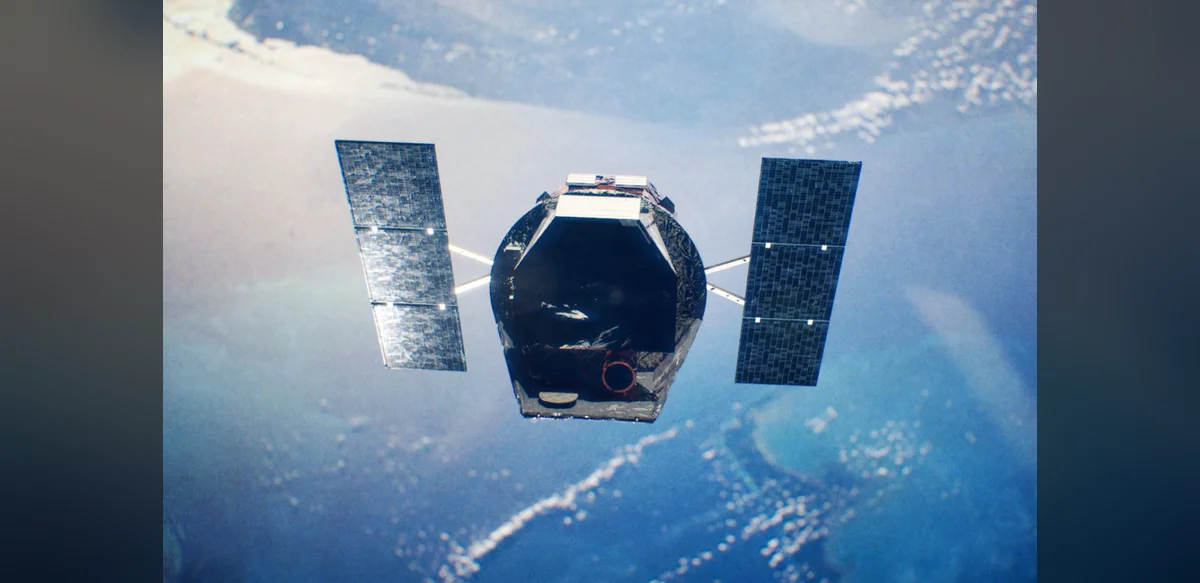
The National Aeronautics and Space Administration has decided to discontinue any further attempts to rescue the Swift observatory. Officials determined that the recent operation intended to raise the spacecraft to a safer altitude did not achieve its objective. Consequently the observatory is now projected to re-enter the atmosphere within several months.
This outcome marks the conclusion of efforts to extend the operational life of the spacecraft. Engineers had explored options to adjust its trajectory but ultimately concluded that additional maneuvers would not yield the desired results. The decision reflects standard procedures when recovery plans prove unfeasible.
The Swift observatory has contributed data over its years in service. Its instruments gathered observations that supported various studies in astronomy. With the impending atmospheric re-entry the mission will conclude in a manner consistent with many prior space projects.
Agency representatives emphasized that all safety protocols regarding orbital debris are being followed. The expected re-entry path has been analyzed to minimize risks to populated areas. Such events occur periodically as satellites reach the end of their functional periods.
Scientists involved with the project are now focusing on archiving the collected information. The datasets remain available for ongoing research even after the spacecraft ceases operations. This approach ensures that the scientific value obtained during the mission continues to benefit the community.
The announcement follows a series of technical assessments conducted over recent weeks. Teams reviewed telemetry and performance metrics before reaching the final determination. The process underscores the methodical nature of space mission management.
Public updates regarding the re-entry timeline will be provided as more precise predictions become available. Monitoring stations around the globe will track the observatory during its final orbits. This coordinated observation helps refine models used for future satellite disposals.
In summary the Swift observatory will conclude its time in space through natural atmospheric entry. The failed altitude boost attempt led directly to the current plan. NASA continues to apply lessons from this experience to other active missions.
Further details on related programs may be released in subsequent statements. The focus remains on safe and responsible conduct of all space activities. The observatory’s story illustrates both the achievements and the eventual endpoints common in orbital research.


