

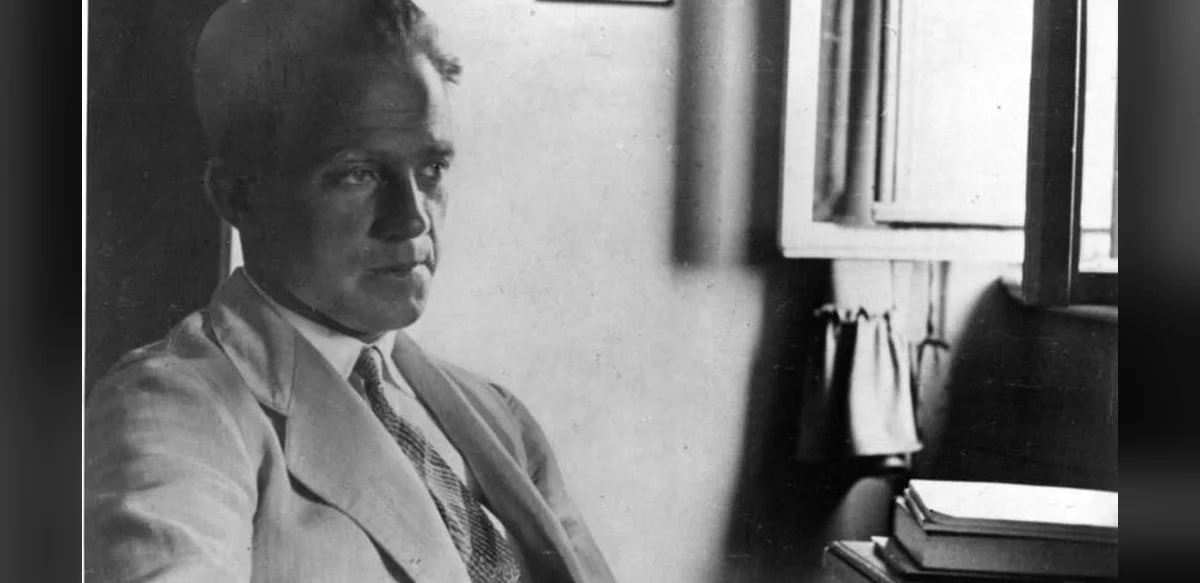
Recent investigations using methods of nuclear archaeology have revealed new details about efforts during World War II to develop nuclear technology in Germany. The analysis indicates that Nobel laureate Werner Heisenberg may have significantly overestimated the progress made by his group toward constructing an operational nuclear reactor, let alone advancing to the stage of a nuclear weapon.
The study draws on physical evidence recovered from sites associated with the wartime project. By examining remnants and materials left from experimental setups, researchers were able to reconstruct a clearer picture of the actual technical achievements and limitations faced by the team. This approach differs from relying solely on historical documents or personal accounts, offering instead direct measurements and assessments of the equipment involved.
Heisenberg, a prominent physicist, led one of the main German research efforts in this area. His group explored the possibility of sustaining a nuclear chain reaction using uranium and heavy water. However, the findings suggest that the distance to a functioning reactor was greater than Heisenberg appears to have believed at the time. The distinction between a reactor and a weapon is important, as the latter requires additional steps such as isotope separation and weaponization that were not part of the immediate reactor work.
Nuclear archaeology combines techniques from physics, chemistry, and material science to study these historical artifacts. Samples from reactors or related apparatus can reveal information about neutron flux, fuel composition, and operational conditions. In this case, such data pointed to shortfalls in the design and execution that prevented the project from reaching its intended goals.
The broader context involves multiple research teams operating under wartime constraints, including limited resources and shifting priorities. The German program did not achieve a sustained chain reaction before the end of the conflict. The new evidence helps explain why progress remained limited despite the involvement of leading scientists.
Scholars note that overestimation of proximity to success can arise from incomplete data or optimistic interpretations of experimental results. In Heisenberg’s situation, calculations regarding critical mass and reactor geometry may have contributed to an inflated sense of advancement. The archaeological findings provide a quantitative basis for reevaluating those assessments.
This work adds to the historical record without altering established facts about the absence of a German nuclear weapon. Instead, it refines understanding of the scientific and engineering challenges encountered. Future studies may apply similar methods to other sites or projects from the same era.
Public interest in these topics often centers on the ethical and strategic dimensions of nuclear research during conflict. The current analysis focuses strictly on technical outcomes and does not introduce new claims about intentions or decisions beyond what the physical evidence supports.
Overall, the application of nuclear archaeology demonstrates how modern scientific tools can illuminate past events. By confirming that Heisenberg’s team was farther from a working reactor than estimated, the research underscores the difficulties inherent in early nuclear engineering under constrained conditions. Continued examination of surviving materials promises additional insights into this chapter of scientific history.


