


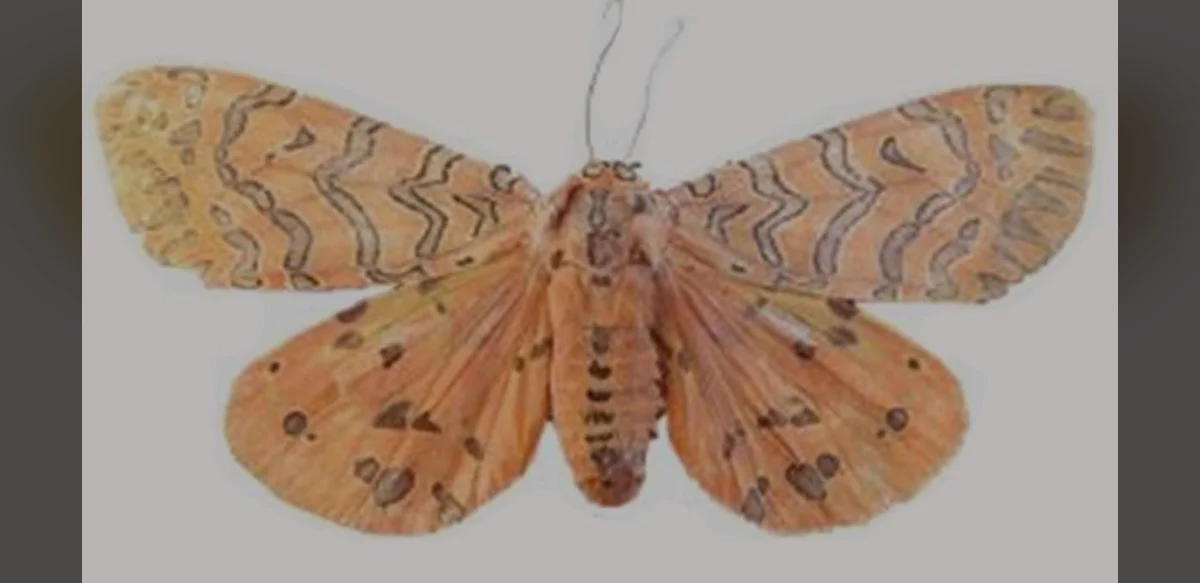
Researchers have identified a previously unknown genus and species of tiger moth in the southern Western Ghats. The finding, reported in the Journal of the Lepidopterists’ Society, names the insect Antaram idukki. It belongs to the Arctiinae subfamily within Erebidae and was located in Kerala’s Idukki district.
An international group of scientists and naturalists conducted the study. Key contributors included Aparna Sureshchandra Kalawate from the Zoological Survey of India in Pune, Alberto Zilli formerly of the Natural History Museum in London, Muhamed Jafer Palot from the ZSI centre in Kozhikode, and naturalist Balakrishnan Valappil.
The team noted that naming an entirely new genus signals previously unrecognized evolutionary branches. Such descriptions remain uncommon in Arctiinae, which typically includes larger moths. The genus name Antaram, derived from Sanskrit for “difference,” is so far recorded only from Idukki and differs from related groups through distinctive external and genital traits.
The moth appears extremely scarce. Its caterpillar host plant and life cycle are still unknown. Ongoing habitat loss and vegetation shifts could endanger the species before its biology is documented, the researchers cautioned.
Moths, close relatives of butterflies, form the order Lepidoptera. These diverse insects serve as pollinators and important prey for numerous animals.
The discovery illustrates India’s incompletely studied insect fauna and demonstrates that novel evolutionary lines continue to emerge from biodiversity hotspots such as the Western Ghats. It also emphasizes the ecological roles of insects and other invertebrates.
Idukki lies within the Western Ghats, a UNESCO World Heritage site and one of eight global biodiversity hotspots. Despite its importance, the area faces rising threats from unregulated tourism, habitat damage, land conversion, and human-wildlife conflict.
The find points to the region’s still-unrecorded biodiversity and the necessity of safeguarding these ecosystems and their unknown species, the authors concluded.

