

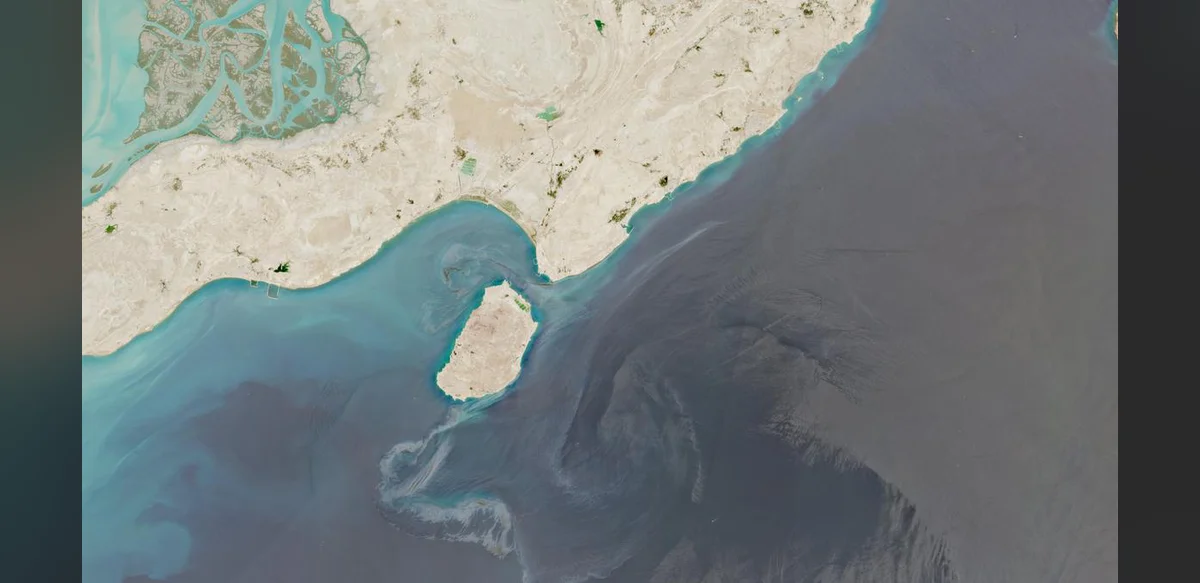
The Hara forests represent a key ecological zone in the Persian Gulf along the Strait of Hormuz. These mangrove areas consist primarily of grey mangrove trees that feature root systems capable of filtering salt, enabling growth in salty waters. The roots also help prevent coastal erosion and store large amounts of carbon compared to land-based forests.
The area holds UNESCO Biosphere Reserve status and functions as a breeding ground for marine species including shrimp, crabs, and fish that support regional fishing industries. Above the waterline, the tree canopy serves as a stopover for migrating birds such as the great stone-curlew and several heron species. The mangroves underpin eco-tourism activities on Qeshm, an Iranian island in the Persian Gulf, attracting visitors to its winding waterways.
Safeguarding the forests matters for the well-being of Qeshm residents and for conserving the Gulf’s natural resources. Experts warn that their loss could cause severe disruption to the local ecosystem and shoreline protection.
Satellite data have detected a significant oil spill near Qeshm’s southern shore. The leak originates from the bulk carrier Minoan Pioneer, which sustained damage from an impact and began releasing heavy fuel oil. The resulting slick extends 160 kilometers, with oil already reaching the coast. Ongoing regional conflict has slowed response operations, placing the mangroves in serious danger.


