

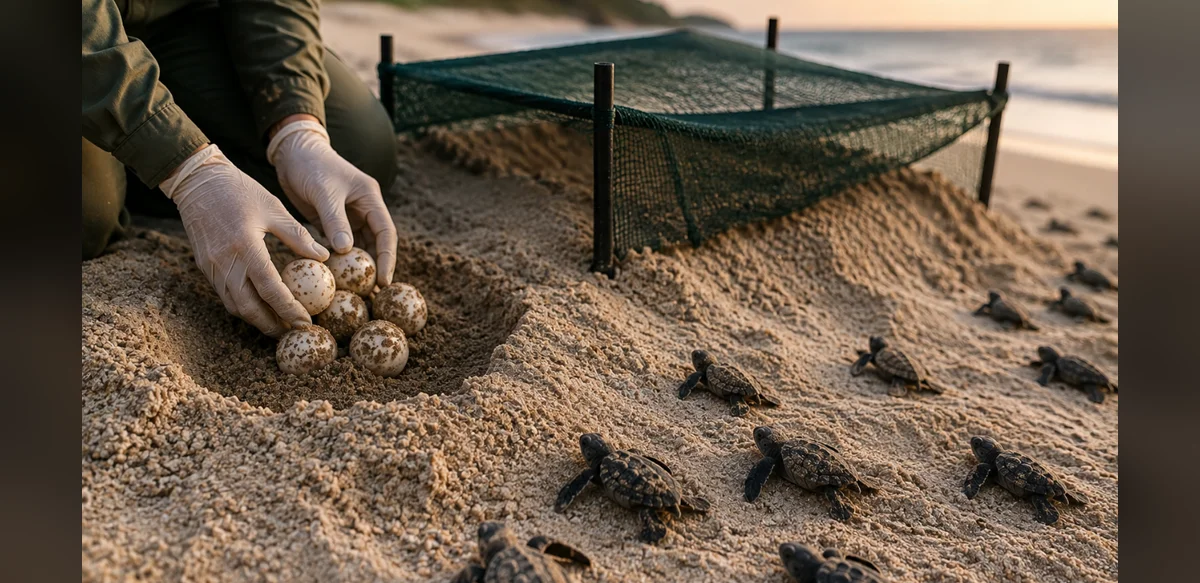
Sea turtle conservation efforts often involve moving nests from threatened locations to safer sites. Recent observations indicate that such relocations can produce unintended outcomes. When nests are shifted to areas with higher temperatures, the resulting hatchlings show a strong bias toward females. This occurs because many turtle species determine sex based on incubation temperature. Warmer conditions favor female development while cooler ones support males.
Even when nests are placed in shaded spots to moderate heat, the young emerge smaller than those from original sites. These smaller individuals also display reduced physical abilities, such as weaker swimming performance. In addition, overall numbers of successful hatchlings tend to decline after relocation. These patterns suggest that temperature alone does not account for all effects. Other environmental elements, including sand moisture, oxygen levels, and substrate composition, likely influence development.
Conservation teams have long used nest relocation to protect eggs from flooding, predation, and human disturbance. The practice has helped stabilize some populations. However, the new findings highlight the need for more detailed site assessments before moving nests. Selecting locations that closely match original conditions may reduce negative impacts. Monitoring both temperature and additional variables could improve outcomes.
Sea turtles play important roles in marine ecosystems. They help maintain seagrass beds and support nutrient cycling. Declines in their numbers affect many other species. Therefore, refining relocation methods supports broader ocean health. Researchers recommend combining relocation with habitat protection measures. This integrated approach may better address multiple threats.
Public awareness campaigns continue to emphasize careful handling of nests. Training programs for volunteers stress the importance of recording environmental data at both original and new sites. Such records allow comparison of results across seasons. Over time, these data can guide adjustments to relocation protocols.
The observed female bias raises questions about long-term population balance. A shortage of males could limit breeding success in future generations. Smaller hatchlings may also face higher mortality rates during their early ocean phase. These factors together could slow recovery efforts despite increased protection of nests.
Experts advise against routine relocation unless risks at the original site are severe. When movement is necessary, shaded areas should be chosen with attention to multiple conditions beyond temperature. Ongoing studies aim to identify optimal criteria for site selection. Collaboration among biologists, local communities, and government agencies supports development of improved guidelines.
In summary, nest relocation remains a valuable tool but requires careful application. Considering a wider range of environmental influences can help maintain healthy sex ratios and stronger hatchlings. This balanced strategy contributes to sustainable conservation of sea turtle populations worldwide.


