


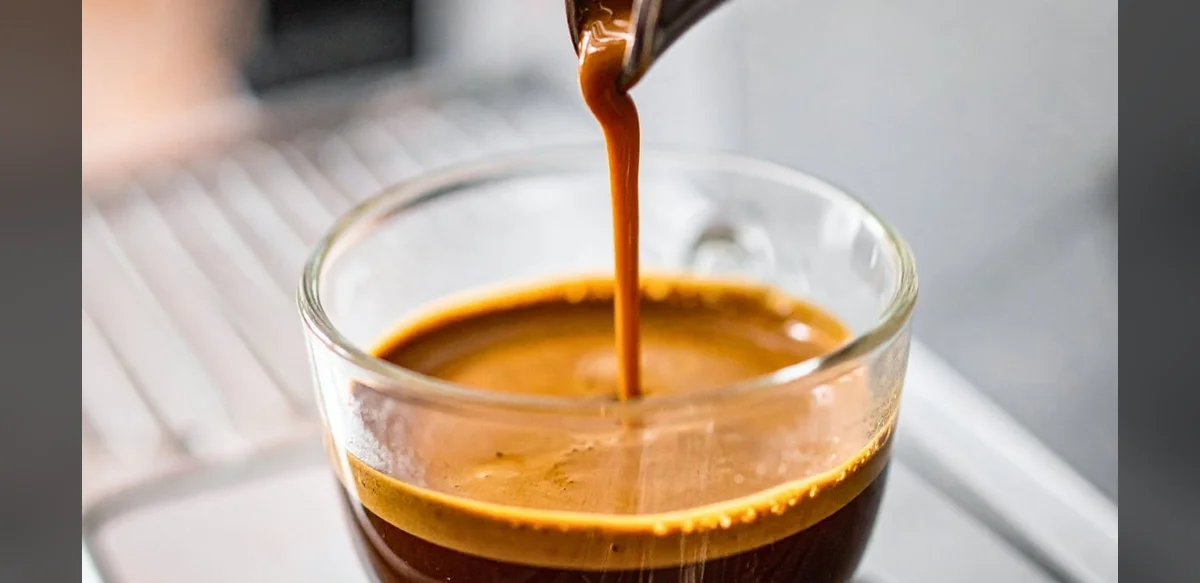
Espresso is commonly viewed as a heated, pressurized process. Ground coffee is placed in a machine where near-boiling water is pushed through it, yielding a small, intense serving with crema, scent, sharpness, texture and stimulant effect within roughly half a minute.
A Colombian researcher notes personal ties to coffee production and describes laboratory experiments questioning whether elevated temperatures are essential. Recent findings indicate they may not be required.
The team created an ultrasonic method that extracts taste, oils, scent and caffeine from grounds at ambient temperature through high-frequency vibrations. The outcome is a strong beverage produced in less than three minutes while consuming substantially less power.
Avoiding water heating can cut energy needs by up to three-quarters, offering modest savings for households or small cafés but larger gains for large-scale ready-to-drink manufacturers. The resulting concentrate suits bottled beverages, dairy mixes or cold products and can be transported efficiently before dilution.
Ultrasound, sound frequencies beyond human hearing, drives the extraction. A transducer vibrates an espresso basket, sending waves through the mixture. This triggers acoustic cavitation, forming and bursting microscopic bubbles that generate jets and forces acting on coffee particles. The action fractures surfaces and releases compounds more rapidly than room-temperature steeping alone.
The approach differs from conventional cold brew, which requires twelve to twenty-four hours. Earlier ultrasonic trials accelerated cold brewing, yet the current goal was espresso-level strength and body without heat. Variables tested included brew ratio, grind fineness and application duration, with optimal results around two-and-a-half to three minutes.
A blind tasting involving roughly one hundred regular coffee consumers compared traditional and ultrasonic versions of both espresso and filter coffee, all served at identical temperatures. Participants could not distinguish the two espresso samples by aroma, taste, bitterness or preference. The ultrasonic filter coffee received higher overall ratings, with bitterness judged more agreeable.
The findings suggest heat is not mandatory for espresso characteristics when mechanical energy from sound waves is applied instead.

