


Early humans in interior Alaska shared salmon with ancient canines around 12,000 years ago. This indicates close human-canine ties formed 2,000 years earlier than prior estimates for the Americas. Published in Science Advances, the research used stable carbon and nitrogen isotopes in fossil bones to reveal a fish-heavy diet. The findings suggest these animals lived near human camps and consumed shared food rather than foraging alone.
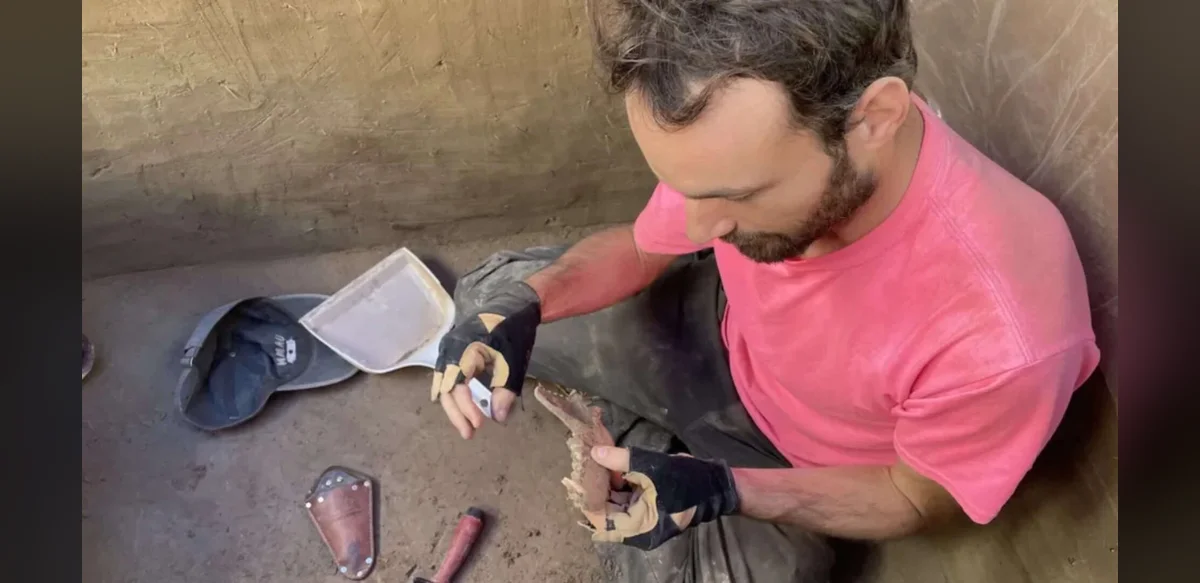
Archaeologists at the Swan Point site, roughly 70 miles southeast of Fairbanks, uncovered an adult canine leg bone from 12,000 years ago. A 2023 find at nearby Hollembaek Hill yielded an 8,100-year-old jawbone. Researchers compiled data from 76 ancient and 35 modern specimens of wolves, coyotes, and dogs. Most historical animals ate land prey, yet the Swan Point and Hollembaek Hill bones showed strong salmon signals.
Genetic tests indicate these canines were not direct ancestors of modern dogs. Still, their habits point to similar social roles with people. Human arrival in the Americas is dated between 27,000 and 16,000 years ago. Evidence supports gradual interactions rather than a single domestication event.
The team collaborated with Alaska Indigenous groups, including the Healy Lake Village Council, for bone sampling approval. Some experts note the canines might have scavenged salmon independently during runs. Tribal members today maintain close ties with sled dogs and pets, echoing these ancient bonds.

