


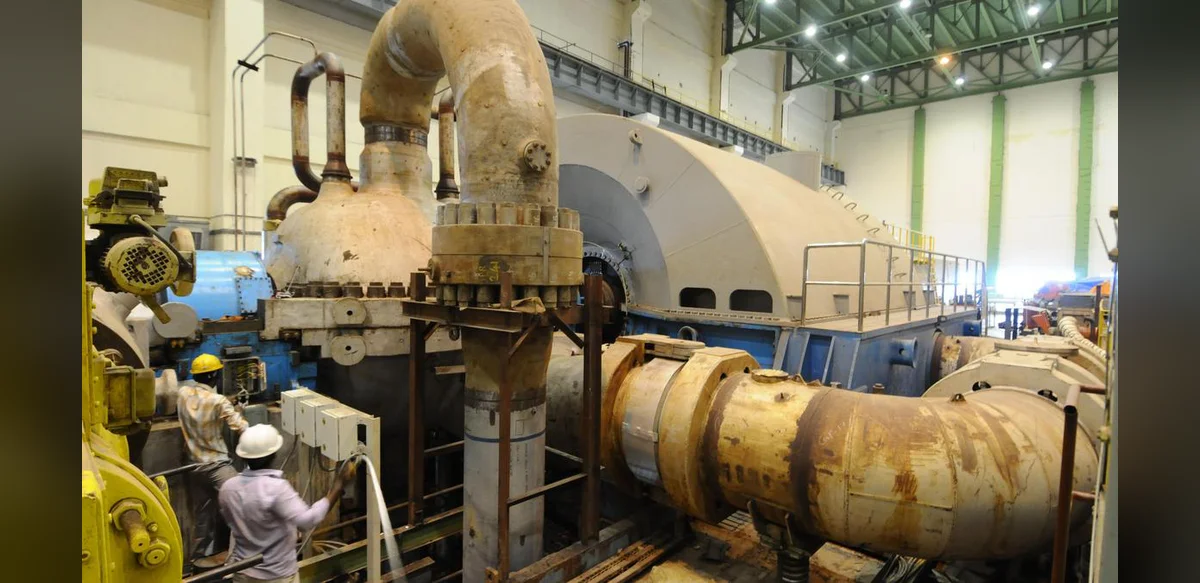
A fast breeder reactor earns its designation from two key traits: it generates more nuclear fuel than it expends, and it employs high-speed neutrons—those not decelerated—to trigger fission reactions.
Construction of France’s Superphénix fast breeder reactor began in 1976. After an investment of approximately $10 billion, it reached criticality in 1985 and entered commercial service in 1986. Over its 11-year operational lifespan, it delivered less than 20% of its maximum possible energy and supplied under 1% of the nation’s electricity. The facility required 25 months for technical repairs and remained inactive for 66 months due to political factors. Meanwhile, uranium market prices declined from $40 per pound to $15, eroding the economic case for fuel conservation.

