

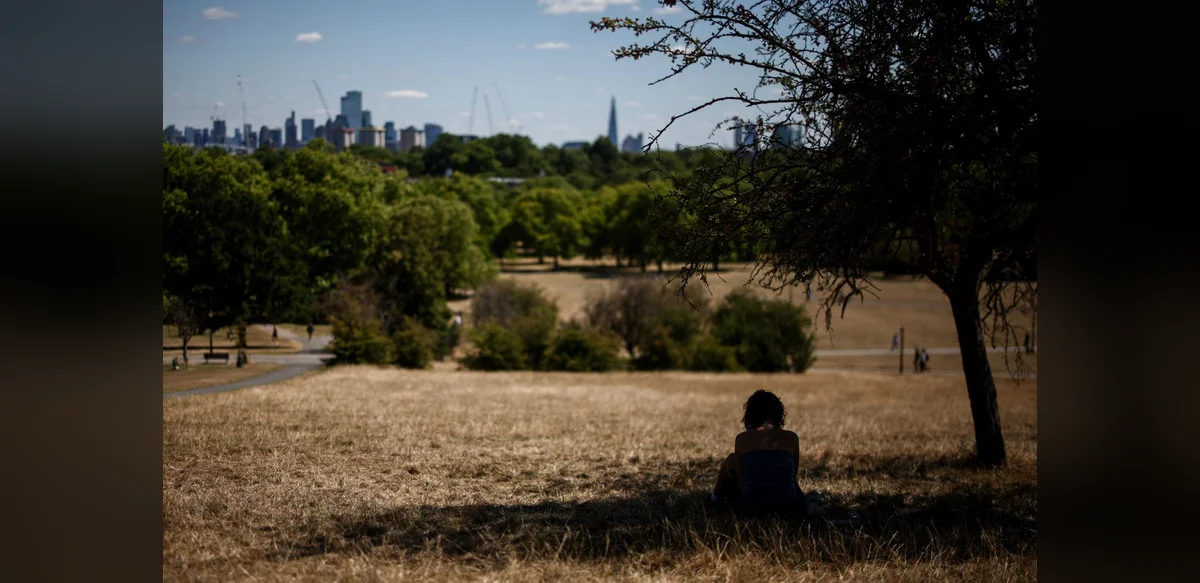
In urban environments across southeastern England, trees are encountering increasing difficulties due to evolving weather conditions. Cities like London have seen trees facing stress from elevated temperatures and reduced moisture during summer months. This situation has prompted botanists to highlight the necessity of introducing plant varieties that can better withstand periods of limited water availability.
The challenges arise as summers become progressively warmer and drier in these regions. Trees planted in city settings, which already contend with limited soil space and additional urban pressures, show signs of strain under these conditions. Observers note that many established species are not equipped to handle the prolonged dry spells that have become more common.
Botanists emphasize proactive measures to address this trend. They recommend gradual replacement of current tree populations with alternatives adapted to drier environments. Such changes could help maintain the presence of greenery in urban landscapes despite ongoing climatic shifts. The focus remains on selecting species that require less water while still providing similar environmental benefits.
Urban trees play a key role in city ecosystems by offering shade and supporting air quality. However, when they experience stress from heat and drought, their ability to fulfill these functions diminishes. In London and nearby areas, this has led to concerns about the long-term viability of existing tree cover without intervention.
Experts suggest that planning for future plantings should account for projected weather changes. By prioritizing drought-resistant options now, cities may avoid larger losses in tree populations later. This approach involves careful selection based on known tolerances to dry conditions rather than relying solely on traditional species.
The process of updating urban tree selections is expected to take time, as mature trees cannot be replaced overnight. Botanists advocate starting with new plantings in areas where older trees are declining. This strategy allows for a transition that preserves overall canopy coverage while adapting to new realities.
Observations in southeastern England indicate that the effects are already noticeable in multiple locations. Trees exhibit reduced growth rates and increased vulnerability during hot, dry periods. These patterns align with broader expectations of how climate variations impact vegetation in temperate zones.
Maintaining urban forests requires attention to species suitability. Botanists continue to study which varieties perform best under current and anticipated conditions. Their guidance centers on practical steps to ensure trees remain a sustainable feature of city environments.
Overall, the situation calls for informed decisions regarding tree management in affected cities. Replacing struggling specimens with more resilient types represents a direct response to the observed difficulties. This measured approach aims to sustain the benefits of urban trees amid changing seasonal patterns.


