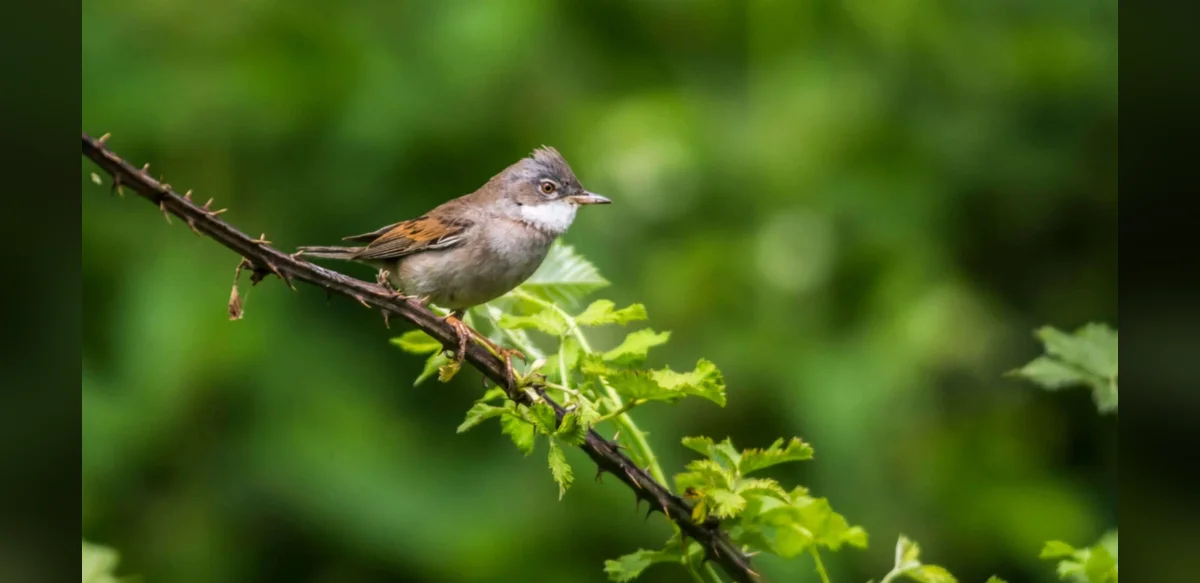
Certain mosquito species threaten wild birds in Britain by spreading avian malaria. When a mosquito bites a blackbird, the Plasmodium parasite can enter the bird’s blood. Scientists knew the disease circulated across the UK but needed to identify the exact mosquito species responsible. A two-year Keele University study has now clarified the transmission routes. Researchers collected over one thousand mosquitoes and identified twelve species. Nine of these tested positive for avian malaria parasites in their salivary glands. Genetic tests showed multiple parasite lineages. The Plasmodium parasite does not affect humans but can weaken birds, increasing risks from predators and food shortages. Lead researcher Jenny Dunn noted that this is the first detailed look at which mosquitoes transmit the disease in Britain. Ochlerotatus detritus appears most likely to carry Plasmodium vaughani, common in blackbirds. Two other species, Ochlerotatus annulipes and Anopheles messeae, may transmit different strains found in robins, goldfinches and other birds. The results can guide future habitat management and bird population monitoring.