


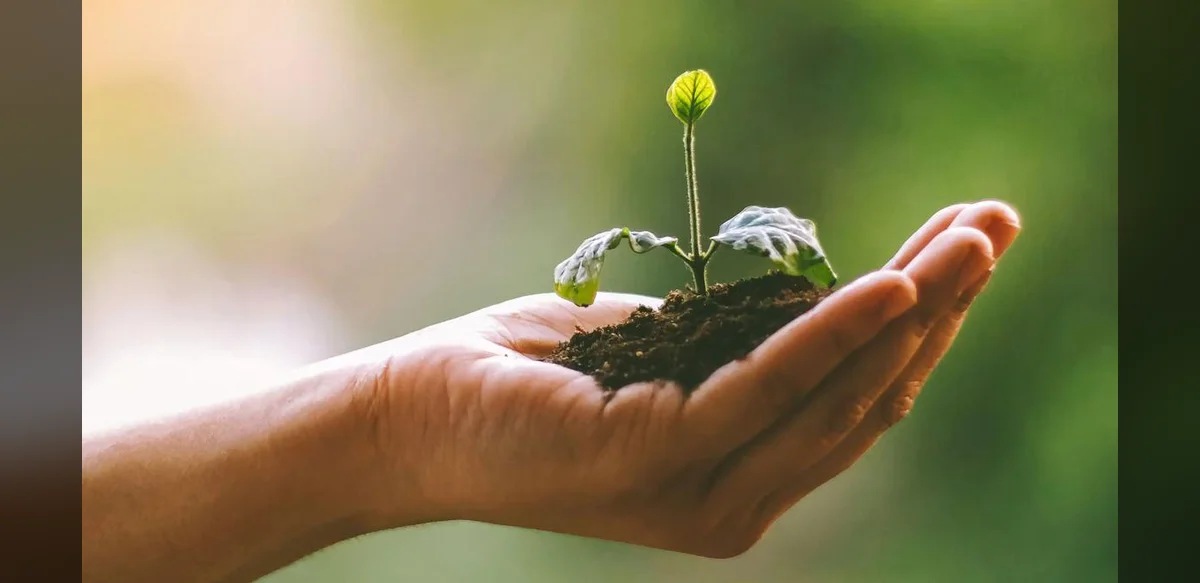
Human composting refers to a process known as natural organic reduction in which a deceased body is transformed into soil through controlled decomposition. This method has gained attention as an alternative to conventional burial or cremation. The procedure begins with the placement of the body in a sealed container filled with organic materials such as wood chips, straw, and alfalfa. These materials create an environment that supports microbial activity responsible for breaking down tissues.
Over several weeks the container maintains specific temperature and moisture levels to accelerate the transformation. Aeration systems ensure oxygen flow while preventing odors. At the end of the cycle the remains are reduced to a nutrient-rich soil-like substance. Families may choose to use portions of this material in gardens or donate it for conservation projects.
Compared with traditional interment this approach requires less land and avoids the use of embalming chemicals. Cremation on the other hand consumes significant energy and releases carbon emissions. Human composting produces fewer greenhouse gases and returns organic matter to the earth. Proponents highlight its potential alignment with environmental goals though long-term studies continue to evaluate overall impact.
Regulatory acceptance varies by region. Some jurisdictions have approved the practice while others are still developing guidelines. Operators must follow strict health and safety protocols to manage any potential pathogens. The process is designed to reach temperatures high enough to eliminate most bacteria and viruses.
Public interest has grown alongside discussions about sustainable end-of-life options. Educational outreach helps clarify misconceptions and provides factual details about timelines and outcomes. Facilities typically offer transparent information sessions for those considering the method.
Ongoing research examines soil composition resulting from the process and its suitability for various uses. Scientists monitor nutrient content and absence of contaminants to ensure quality standards. This data supports refinement of operational procedures.
Advocates emphasize personal choice in funeral arrangements. Individuals may prefer this method for its connection to natural cycles. Service providers work with families to customize arrangements within legal frameworks.
Challenges include limited availability of facilities and varying cultural perspectives. As awareness increases more locations may adopt regulations that permit the service. Collaboration between scientists policymakers and practitioners continues to shape best practices.
The method represents one option among several available today. Decisions often reflect personal values environmental considerations and practical factors. Clear communication from providers helps individuals make informed selections.
Future developments may include technological improvements that enhance efficiency and accessibility. Monitoring programs track performance metrics across different sites. Such efforts contribute to a broader understanding of sustainable practices in mortuary science.

