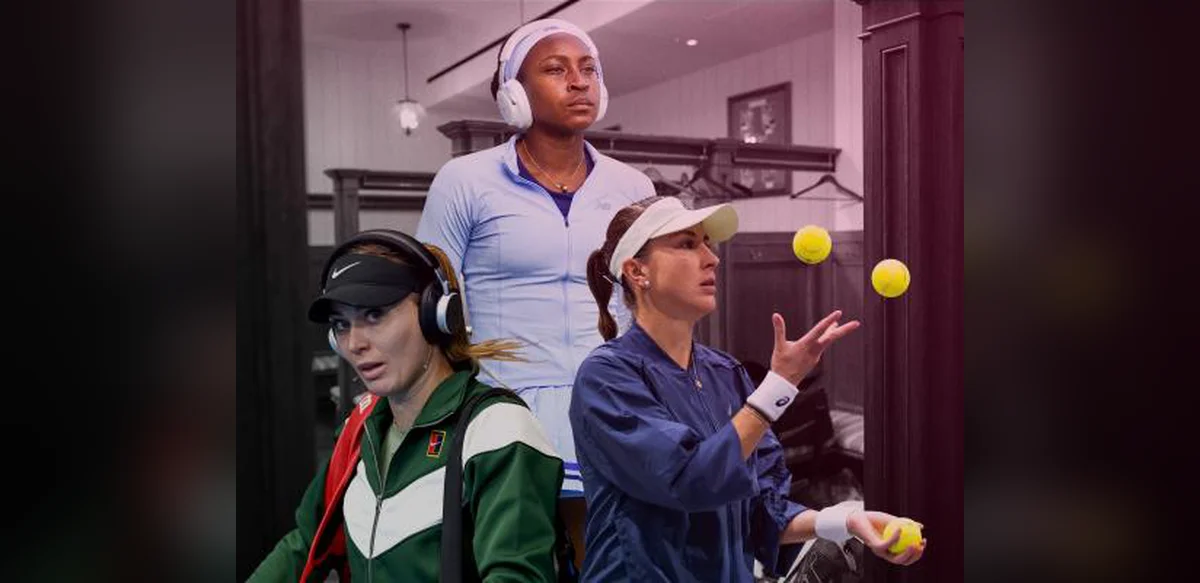
Following a strong first-round victory at the Australian Open in January, Coco Gauff noticed another player eating sweets in the locker room. Assuming it was a celebratory treat, Gauff made a lighthearted comment, but the player revealed it was comfort food after a tough loss. Tennis professionals often share locker spaces globally with their competitors, which can result in uncomfortable situations. Many, like Paula Badosa, prepare for games by limiting interactions, such as avoiding eye contact. She explains that players typically greet each other briefly but steer clear of deeper conversations on match days. Gauff agrees, noting that with close acquaintances, exchanges are straightforward, but with less familiar opponents, deciding whether to engage can be tricky. Responses differ, and she respects the need to focus. Belinda Bencic finds shared rides to the court, like in golf carts, more awkward than the locker room itself. However, even there, preparing alongside a rival can feel odd, with uncertainty about starting casual talk. Preferences vary; some are chatty, while others prefer silence. The discomfort extends beyond direct opponents, as the space hosts numerous players daily, creating an emotional landscape. Some emerge upset or frustrated from defeats, making interactions challenging. Gauff highlights the difficulty of encountering someone post-match without knowing the outcome, unsure of their state of mind. Through years of experience from junior levels, athletes adapt to these shared environments. Madison Keys appreciates the setup, viewing it as a blend of rivals and supporters. It offers immediate comfort during tough times, fostering a sense of community unlike team sports where support comes from teammates. To reduce unease, some minimize time spent there. Jannik Sinner has streamlined his routine, arriving for practice or quick meals and departing promptly, unlike his early tour days. Stefanos Tsitsipas observes that most players maintain good relations, but some become distant after successes. He dislikes attitude shifts tied to achievements and values humility, citing basketball star Giannis Antetokounmpo as an example. In contrast, Daniil Medvedev notes from his coaches’ anecdotes that past locker rooms were highly tense, contributing to early retirements. Today, he finds the atmosphere much calmer.