


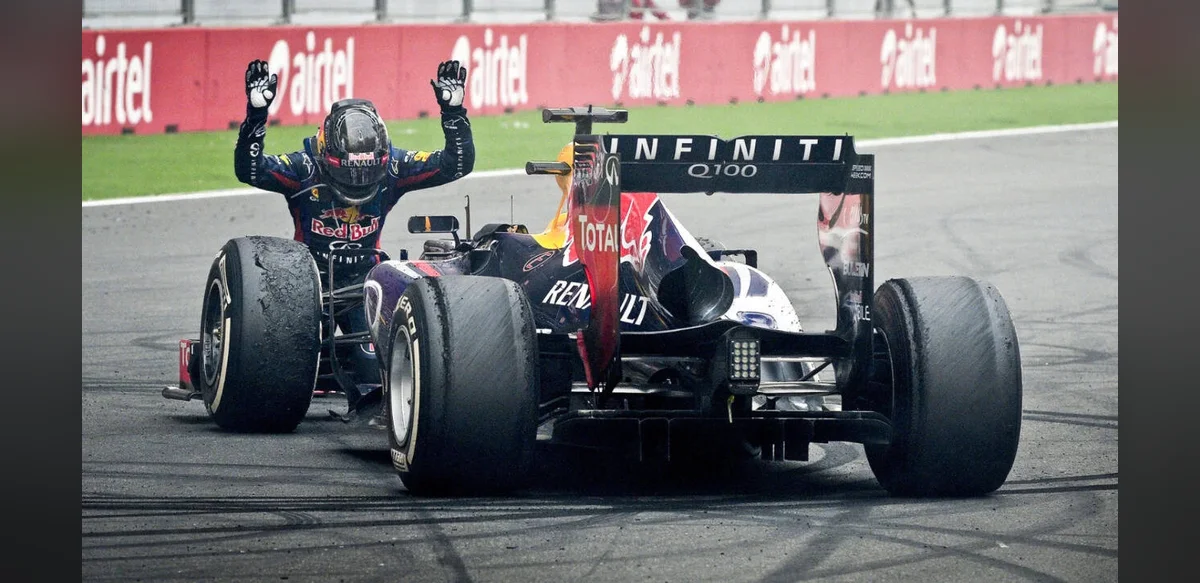
The history of Formula One in India includes three events that concluded due to ongoing tax disagreements. More than a decade later officials have restarted discussions about bringing the series back. A dedicated group now reviews past obstacles such as taxation rules import fees and business contracts. India aims for a possible return around 2028 provided suitable conditions can be established to support long-term participation.
Past challenges centered on financial disagreements that prevented continuation after the initial races. These issues involved multiple layers of taxation and related costs that affected viability. Current efforts focus on identifying solutions through careful examination of each factor. The review process seeks to create an environment where the sport can operate without repeating earlier problems.
Government attention has shifted toward motorsport as part of broader international engagement plans. The task force collects information on commercial terms and regulatory requirements. Findings will guide decisions on whether adjustments can enable a stable return. Stakeholders emphasize the need for clear frameworks that address all previous concerns.
A 2028 target allows time for negotiations and policy refinements. Success depends on balancing interests of organizers local authorities and international bodies. Discussions continue around import procedures and overall cost structures. Neutral analysis shows that resolving these elements remains essential for any future agreement.
Observers note that motorsport events can contribute to tourism and infrastructure development when properly managed. The review includes consideration of such potential benefits alongside financial hurdles. Officials stress that any new arrangement must prove sustainable over multiple seasons. This measured approach reflects lessons from the earlier exit.
Public interest in high-level racing remains evident in many regions. Reestablishing events would require coordination across several departments. The task force evaluates models used in other countries to inform recommendations. Emphasis stays on practical steps that avoid past pitfalls while meeting international standards.
Overall the process highlights the complexity of hosting global motorsport competitions. Taxation import duties and commercial deals form the core areas under study. Progress depends on reaching consensus that satisfies all parties involved. A successful outcome could open the door for renewed participation in the coming years.
Further updates are expected as the examination advances. The focus remains on creating conditions that support consistent operations rather than short-term arrangements. India continues to assess options with an eye toward long-term stability in the sport.

