

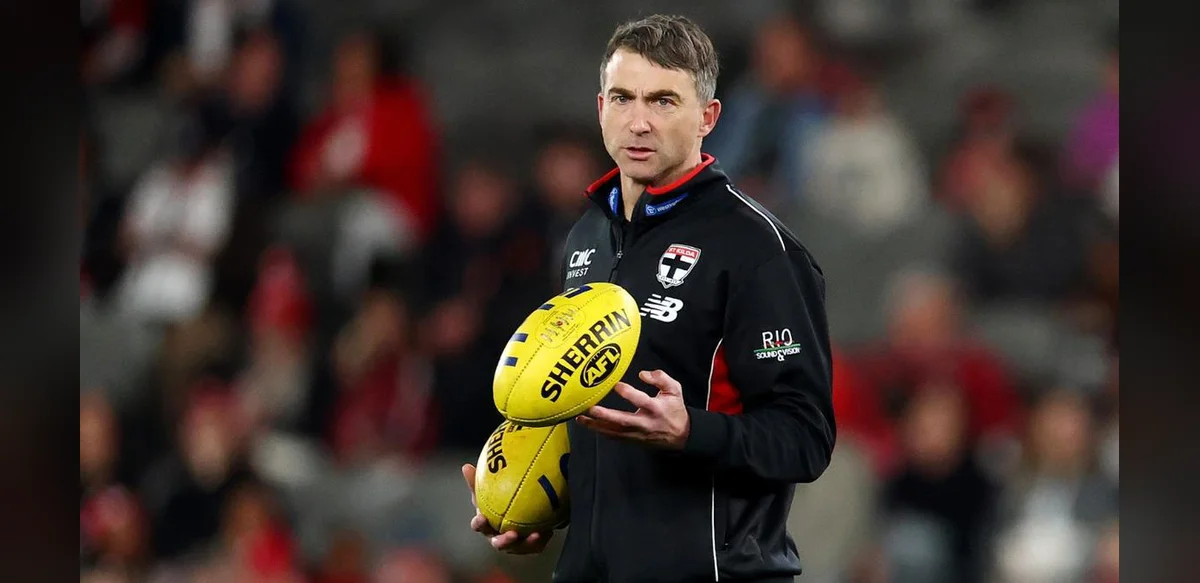
A senior assistant coach at St Kilda is currently evaluating his next career move following an unsuccessful application for the head coaching position at Carlton. The development comes only weeks after the individual was considered among the leading candidates for the Blues vacancy.
Reports indicate that discussions have taken place with another club as the coach assesses available opportunities. This situation highlights the fluid nature of coaching appointments within the league during the off-season period. Clubs often conduct multiple rounds of interviews before finalizing leadership appointments.
The process of selecting a new head coach typically involves reviewing a range of internal and external candidates. Experience at both playing and coaching levels is frequently valued when making such decisions. In this instance the assistant had been viewed positively due to prior contributions within the competition.
Coaching staff movements can influence team strategies and player development programs in the coming season. Clubs aim to ensure continuity while also introducing fresh perspectives where needed. The current evaluation period allows the coach to consider roles that align with long-term professional goals.
Industry observers note that assistant coaches often transition into head roles after gaining substantial experience at multiple clubs. Such transitions require careful timing and alignment with club expectations. Meetings with rival organizations are a standard part of exploring these pathways.
The off-season provides a window for personnel changes across the league. Teams focus on building coaching structures that support both immediate performance targets and sustained development. The individual in question is taking time to review all available information before committing to a new position.
Neutral commentary from league sources emphasizes the importance of maintaining professionalism during these periods. Coaches are encouraged to communicate openly with their current clubs while exploring external options. This approach helps preserve working relationships regardless of the final outcome.
Overall the situation reflects common dynamics in professional sports where staff mobility occurs regularly. Both clubs and individuals benefit from structured processes that allow for informed decision making. Further updates may emerge as the coach finalizes plans in the weeks ahead.
Additional context on league operations shows that coaching appointments are influenced by a combination of performance records, strategic fit and availability. The recent vacancy at Carlton drew interest from several qualified applicants. The outcome has prompted the assistant to consider alternative pathways that could include roles at other organizations.
The emphasis remains on ensuring that any move supports ongoing career progression and team success. Stakeholders continue to monitor developments without speculating on specific outcomes. This measured approach is typical during periods of transition within the sport.


