


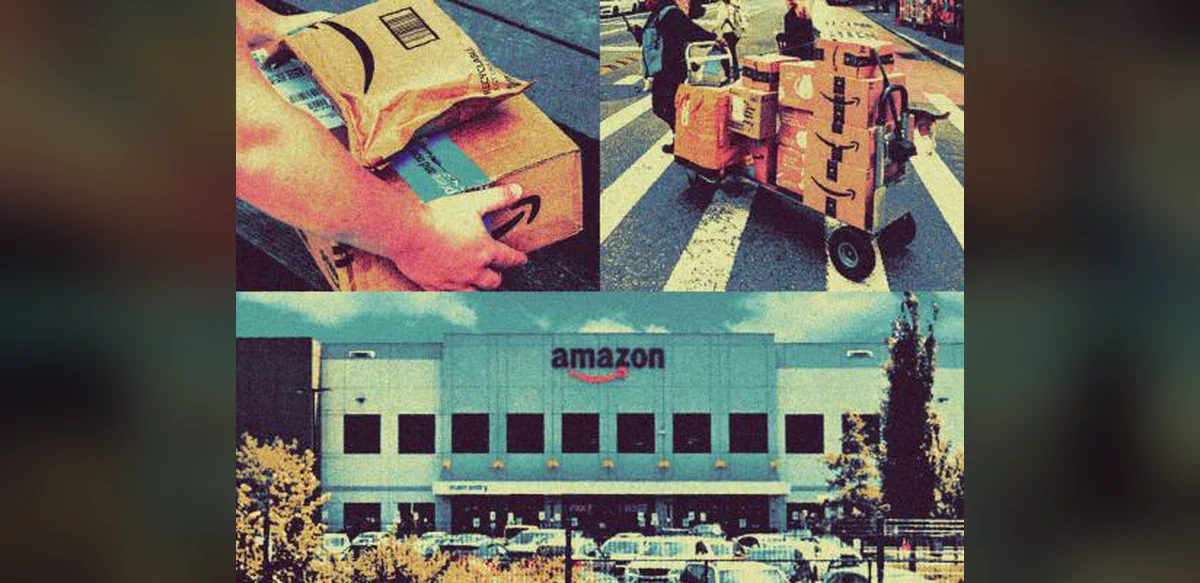
Amazon, among the globe’s biggest employers, has long been criticized for its employee safety standards. In September 2019, 48-year-old employee Billy Foister suffered a fatal heart attack in one of the company’s facilities, with allegations that supervisors instructed colleagues to resume duties immediately. Earlier this month, another worker passed away at a facility in Troutdale, Oregon, which Amazon attributed to a pre-existing health condition. The company rejected claims that a staff member nearby was directed to continue working.
As the Trump administration reforms federal regulations on occupational safety, Amazon employees and labor groups highlight ongoing issues with injury frequencies and the treatment of affected workers. Although Amazon maintains that employee well-being is its top priority, concerns persist about its management and documentation of on-the-job injuries.
A Guardian-obtained training presentation from August 2022 on optimizing the company’s internal AmCare first-aid service included guidance on increasing its usage rate, defined as the proportion of cases resolved without external medical consultation. It advised against immediate referrals to physicians and emphasized that AmCare cannot authorize absences or rest periods. For injuries, it recommended prompt treatment rather than downtime.
Amazon contested the document’s relevance, noting that with over a million staff, unused materials sometimes emerge. Spokesperson Sam Stephenson stated it is outdated, does not represent current medical team guidelines, and was never implemented.
In October 2024, 46-year-old Juan Loera-Gomez was working at an Amazon sorting facility in San Bernardino, California, when assigned solo to an unfamiliar zone usually staffed by at least three people, according to a lawsuit filed in March. After hours of handling boxes over 50 pounds, he reportedly suffered severe back and shoulder damage. He informed his supervisor but was allegedly told to persist.
By November 2024, medical evaluation led to work limitations, and Amazon assigned him lighter tasks. Over the following months, diagnoses included various strains, sprains, and a spinal disc condition.
During recovery, Loera-Gomez joined colleagues in advocating for better safety measures and against penalties for brief breaks, such as restroom use. The lawsuit claims that in May 2025, a safety official informed him the company could no longer support his restrictions and he needed reassignment. He received alerts about surpassing 180 days of modified duties.
In June, he was barred from working and placed on unpaid leave. Despite objections, his job ended in January via email. Loera-Gomez stated that initial accommodations were withdrawn abruptly, impacting his family’s finances for housing, food, and child-related costs.
Stephenson described many lawsuit assertions as inaccurate or misrepresentative of policies, anticipating vindication in court.
An anonymous coworker at the same site likened AmCare to a basic school health office, offering only minimal aid like ice or hydration. They alleged staff are detained there to encourage returning to duties, with injury records delayed until unavoidable. The worker suggested Amazon prioritizes low reported injury statistics. Amazon refuted these statements as untrue.

