

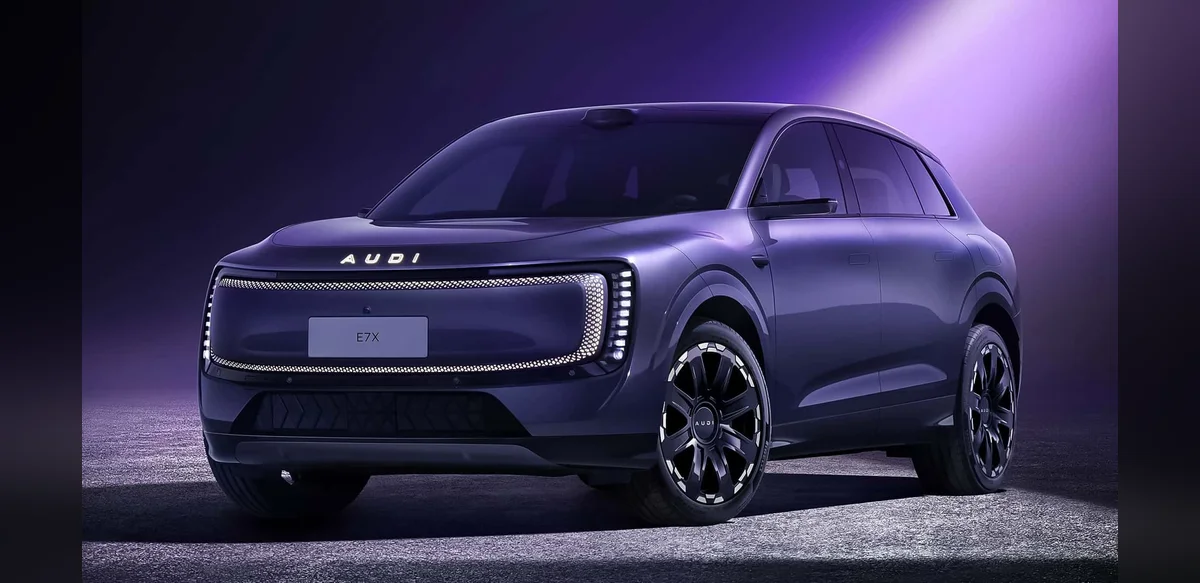
Audi developed specific electric vehicle models exclusively for the Chinese market. The E5 and E7X were designed with features tailored to local preferences and regulations. Company strategies included measures to prevent official sales of these models in European countries. Despite these efforts, independent importers have begun bringing the vehicles into Europe through unofficial channels.
The imported models are offered at prices lower than comparable Audi electric vehicles sold through official European dealerships. This price difference has drawn attention from consumers seeking more affordable options in the electric vehicle segment. The situation highlights challenges in controlling product distribution across regions with differing market strategies.
Industry observers note that parallel imports can occur when demand exists in markets where a manufacturer has chosen not to offer certain variants. In this case, the China-specific models have found their way to European buyers via third-party routes. Audi has not authorized these imports, maintaining its original distribution plans.
Electric vehicle adoption continues to grow across Europe, with various manufacturers competing on price, range, and features. The arrival of these lower-cost options from unofficial sources may influence buyer decisions, though questions remain about warranty coverage, service support, and regulatory compliance for such vehicles.
Automakers often segment their product lines by region to address local tastes, infrastructure differences, and pricing structures. Audi followed this approach with the E5 and E7X. The unauthorized movement of these cars demonstrates how global supply chains and independent traders can bypass intended market boundaries.
Buyers considering these imported models should verify technical specifications against European standards. Differences in charging systems, safety certifications, and software configurations could affect usability. Official channels remain the primary route recommended by the manufacturer for full support and integration with local services.
The broader electric vehicle market in Europe features intense competition among established brands and new entrants. Pricing plays a significant role in consumer choices, particularly as governments adjust incentives and infrastructure expands. The presence of these China-market models adds another dimension to pricing discussions without altering manufacturer-approved lineups.
Parallel importation has historical precedents in the automotive sector for various vehicle types. It often arises when price disparities or availability gaps exist between regions. In the current instance, the focus remains on electric models originally restricted to China, now appearing through alternative supply methods.
Audi continues to promote its officially available electric vehicles in Europe, emphasizing local production, tailored specifications, and full after-sales support. The company has not indicated plans to introduce the E5 or E7X through standard channels. The third-party imports operate independently of these official offerings.
Consumers and industry analysts will likely monitor how this development affects market dynamics. Lower prices from unofficial imports may prompt discussions on value, though factors such as long-term reliability and parts availability remain important considerations. The core fact stays that these specific models were not intended for European sale by the manufacturer yet have entered the region anyway.


