


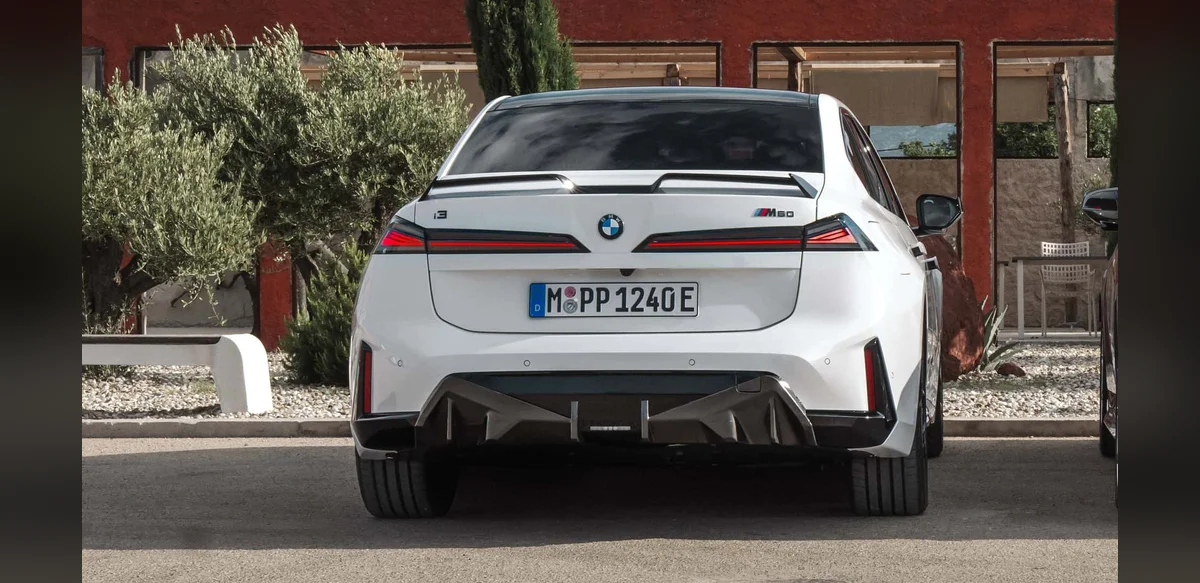
In the evolving landscape of electric mobility, one major automaker has adjusted its perspective on features designed to enhance the driving experience. Previously dismissive of artificial gear changes in battery-powered cars, the company now intends to introduce such elements in a forthcoming model scheduled for release in 2027. This development reflects broader discussions within the industry about how electric vehicles can better align with driver expectations shaped by traditional combustion engines.
Electric vehicles operate without the mechanical complexity of multi-speed transmissions found in gasoline-powered automobiles. Their power delivery is typically direct and linear, providing instant torque from a standstill. However, some manufacturers have explored ways to replicate the sensation of shifting gears, aiming to create a more engaging interaction for enthusiasts accustomed to manual or automatic transmissions. These simulations often involve auditory cues, pedal feedback, or digital displays that mimic upshifts and downshifts.
The shift in approach by this manufacturer comes after years of commentary suggesting that such additions were unnecessary or even counterproductive in the context of electric propulsion. Critics of the concept have argued that electric vehicles benefit from their inherent simplicity, allowing drivers to focus on smooth acceleration without the interruptions associated with gear changes. Proponents, on the other hand, maintain that these simulations can bridge the gap for consumers transitioning from conventional vehicles, potentially easing adoption.
The new model in question is positioned as a performance-oriented sedan within the company’s electric lineup. It is expected to incorporate the simulated shift functionality as part of its standard features, targeting drivers who seek a blend of modern efficiency and familiar dynamics. Details regarding the exact implementation remain limited at this stage, but the timeline points to integration during the vehicle’s development phase leading up to its market introduction.
Industry observers note that this decision aligns with ongoing experimentation across multiple brands. Several competitors have already offered similar options in their electric offerings, citing positive feedback from test drivers and early adopters. The technology typically relies on software algorithms rather than physical components, enabling customization through vehicle settings menus.
From a technical standpoint, implementing simulated gear changes requires careful calibration to avoid compromising the vehicle’s efficiency or responsiveness. Engineers must balance the added sensory elements with the core advantages of electric powertrains, such as regenerative braking and seamless power delivery. This balance is particularly important in high-performance variants where acceleration metrics are closely scrutinized.
Consumer preferences play a significant role in these design choices. Surveys conducted by automotive research firms indicate that a portion of buyers value the auditory and tactile feedback reminiscent of past driving experiences. Others prefer the quiet and uninterrupted operation that defines many electric models today. Manufacturers therefore face the task of offering configurable options to appeal to diverse audiences.
The announcement underscores a pragmatic evolution in product strategy. Rather than adhering strictly to an initial position, the company appears responsive to market signals and technological possibilities. This adaptability is common in the automotive sector, where rapid advancements in battery technology, software, and user interfaces continually reshape expectations.
Looking ahead, the 2027 introduction could influence how other producers approach electric vehicle interfaces. It may encourage further refinement of simulation techniques or prompt discussions about standardization across the industry. Regulatory considerations around vehicle noise and driver distraction could also factor into future iterations of these systems.
Overall, the move highlights the dynamic nature of electric vehicle development. What was once viewed skeptically is now being embraced as a tool to enhance appeal. As the market matures, such features may become more commonplace, contributing to a richer variety of driving experiences in zero-emission vehicles.
Additional context reveals that the simulated shifts will likely be optional, allowing owners to toggle the feature based on personal preference. This flexibility mirrors trends in other vehicle systems, where digital interfaces permit extensive customization. The focus remains on delivering performance without sacrificing the environmental benefits associated with electric propulsion.
In summary, the planned addition represents a notable chapter in the ongoing narrative of automotive innovation. It demonstrates how initial reservations can give way to practical solutions aimed at meeting evolving driver needs. The coming years will provide clarity on the reception of this technology in the specified model and its potential ripple effects throughout the sector.

