

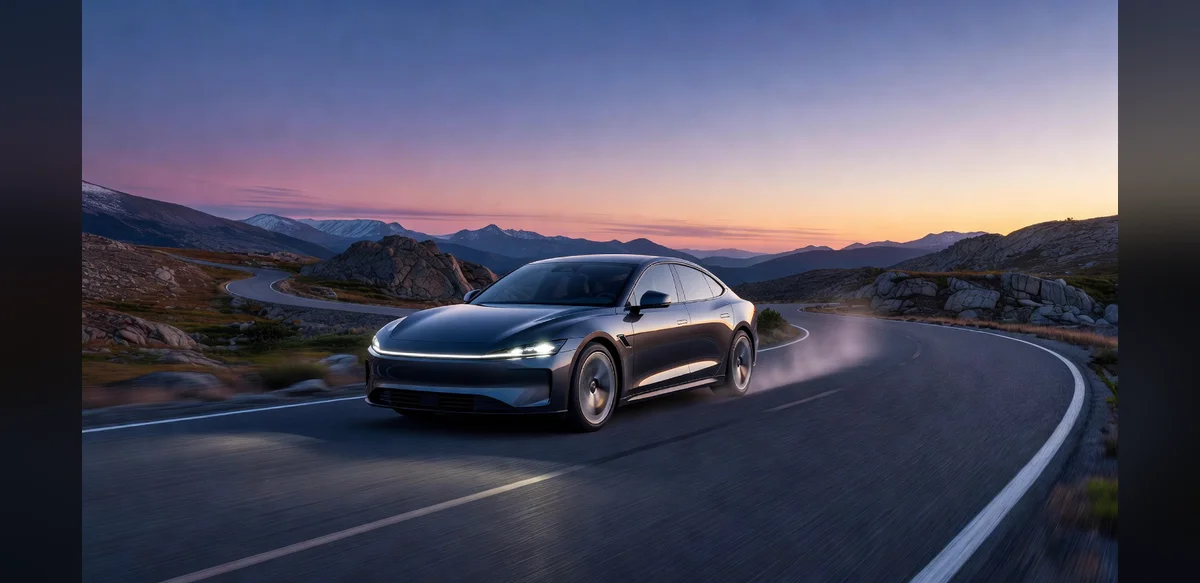
BMW has clarified the naming approach for its forthcoming high-performance electric sedan. The vehicle, which shares underpinnings with the recently introduced i3 model, will arrive as a four-motor configuration next year. It marks the first instance in which an M division product will not carry the i designation typically associated with the brand’s battery-electric lineup.
Industry observers had anticipated that the car might follow the established pattern of prefixing electric models with the letter i. Instead, the company has opted for a designation that aligns more closely with traditional M car nomenclature. This decision ends months of speculation regarding how the performance-oriented electric offering would be positioned within the broader portfolio.
The sedan is expected to deliver substantial power through its quad-motor setup. Engineers have focused on balancing the instant torque characteristics of electric propulsion with the handling dynamics long associated with M vehicles. Details on exact output figures remain limited at this stage, though the platform is understood to support advanced chassis technologies and sophisticated battery management systems.
BMW’s broader electrification strategy continues to evolve. The manufacturer has introduced multiple battery-electric models across its range while maintaining distinct branding for performance variants. The choice to omit the i prefix for this particular model suggests an intent to preserve the M badge as a standalone indicator of high-performance engineering, irrespective of powertrain type.
Production is slated to begin in the coming year, with initial customer deliveries anticipated shortly thereafter. Pricing information has not yet been released, but the vehicle is positioned as a flagship offering within the electrified segment. Market analysts note that the decision could influence how other luxury manufacturers approach naming conventions for their own performance electric cars.
The underlying architecture draws from BMW’s dedicated electric vehicle platform. This allows for optimized weight distribution, enhanced structural rigidity, and integration of high-capacity battery packs. The four-motor layout enables precise torque vectoring, a feature that aligns with the dynamic expectations of M enthusiasts.
While the model shares core components with the i3, significant modifications have been made to the suspension, aerodynamics, and electronic control systems. These changes aim to deliver the responsive steering and balanced handling that define the M experience. Early testing reports indicate strong performance in both acceleration and cornering stability.
BMW has emphasized that the naming choice reflects a long-term view of its performance division. By decoupling the M designation from the i prefix, the company signals that future electric M models will follow a similar approach. This could streamline branding across global markets where the vehicle will be offered.
Supply chain considerations and manufacturing timelines remain on track according to company statements. The production facility has been prepared to accommodate the specialized assembly requirements of the high-output electric powertrain. Quality control measures are being implemented to ensure consistency with existing M vehicle standards.
Consumer interest in electric performance sedans continues to grow. BMW’s announcement provides clarity for potential buyers who have been monitoring developments in this category. The model is expected to compete with offerings from other premium brands that have already launched electric performance vehicles.
Further technical specifications, including range estimates and charging capabilities, are scheduled for release closer to the launch date. BMW has indicated that real-world testing data will inform final performance claims. The focus remains on delivering a vehicle that meets both regulatory requirements and driver expectations for capability and refinement.
Overall, the decision represents a notable shift in how the company categorizes its electric performance products. It underscores an effort to maintain brand heritage while adapting to the transition toward battery-electric mobility. Observers will watch closely to see how this naming strategy is received in key international markets.


