

The European market continues to represent one of the final regions where diesel engines maintain a noticeable presence in new vehicle registrations. Recent data indicates that this share has declined sharply, with only 6.5 percent of newly registered cars across the continent in the first half of the current year featuring diesel powertrains. Industry observers note that this trend reflects broader shifts toward alternative propulsion systems amid changing regulations and consumer preferences.
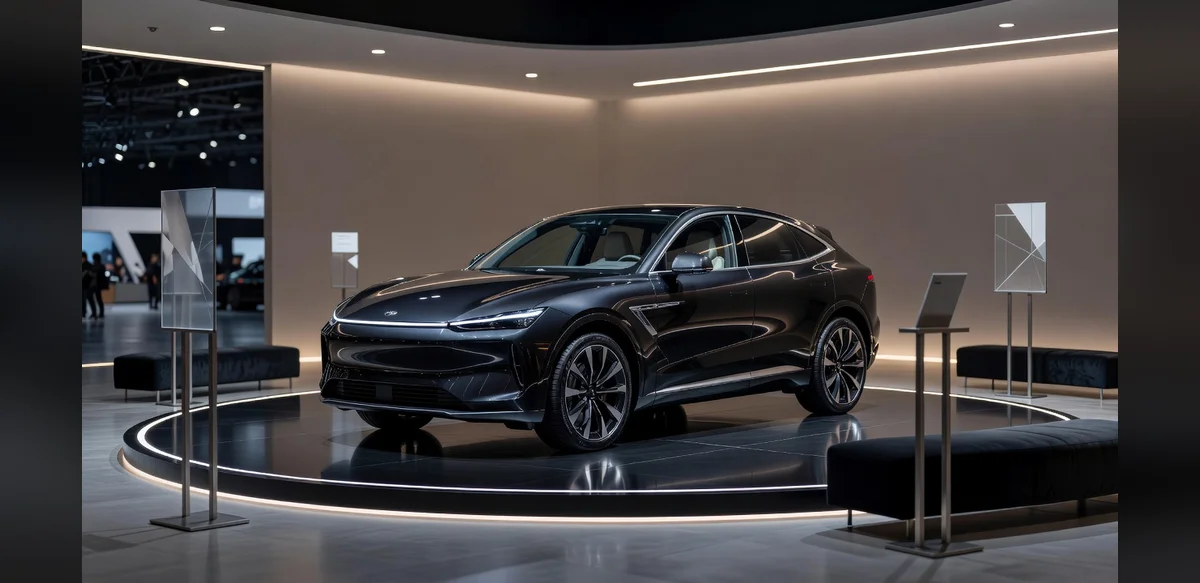
At a recent automotive exhibition, a new version of the BMW X5 equipped with a diesel engine was presented to attendees. The display included video footage highlighting the vehicle’s design and performance characteristics. Organizers positioned the model as an example of continued diesel availability in premium segments despite the overall market contraction.
Market analysts have tracked the steady reduction in diesel uptake over several years. Factors contributing to this pattern include stricter emissions standards, increased availability of hybrid and electric options, and evolving tax policies in multiple countries. Although diesel engines once dominated certain commercial and long-distance segments, their proportion has fallen consistently in passenger car categories.
The BMW X5 model shown at the event belongs to a lineup that offers multiple powertrain choices. Exhibition visitors could view technical specifications and compare the diesel variant with other available configurations. Representatives emphasized engineering refinements aimed at meeting current efficiency requirements while preserving driving dynamics associated with the brand.
Broader industry reports suggest that manufacturers are adapting product strategies to align with declining diesel demand. Some brands have reduced the number of diesel options in their portfolios, focusing instead on electrified alternatives. This adjustment occurs alongside investments in battery technology and charging infrastructure across Europe.
The 6.5 percent figure for the first half of the year marks a continuation of a multi-year downward trajectory. Comparable periods in prior years showed higher percentages, underscoring the pace of transition within the regional market. Trade publications have documented similar patterns in both volume segments and luxury categories.
Exhibition organizers reported strong attendance and interest in the displayed vehicles. Discussions among attendees touched on the balance between traditional internal combustion engines and emerging power sources. The presence of the diesel-powered X5 served as a reminder that certain models retain this option for buyers who prioritize specific performance attributes.
Regulatory developments continue to influence powertrain decisions. European Union emissions targets and national incentives have accelerated the shift away from diesel in many segments. Automakers respond by expanding hybrid and battery-electric lineups while maintaining limited diesel availability where demand persists.
The video presentation at the show provided an overview of the X5’s features without introducing new technical claims beyond those already available in official documentation. Attendees could observe the vehicle’s exterior styling and interior layout in person, complementing the on-screen material.
Overall, the event illustrated the current state of the European automotive landscape, where diesel engines occupy a shrinking but still relevant niche. The BMW X5 diesel variant on display reflected ongoing product offerings amid these evolving conditions. Industry participants expect further adjustments in the coming years as market shares continue to realign.


