

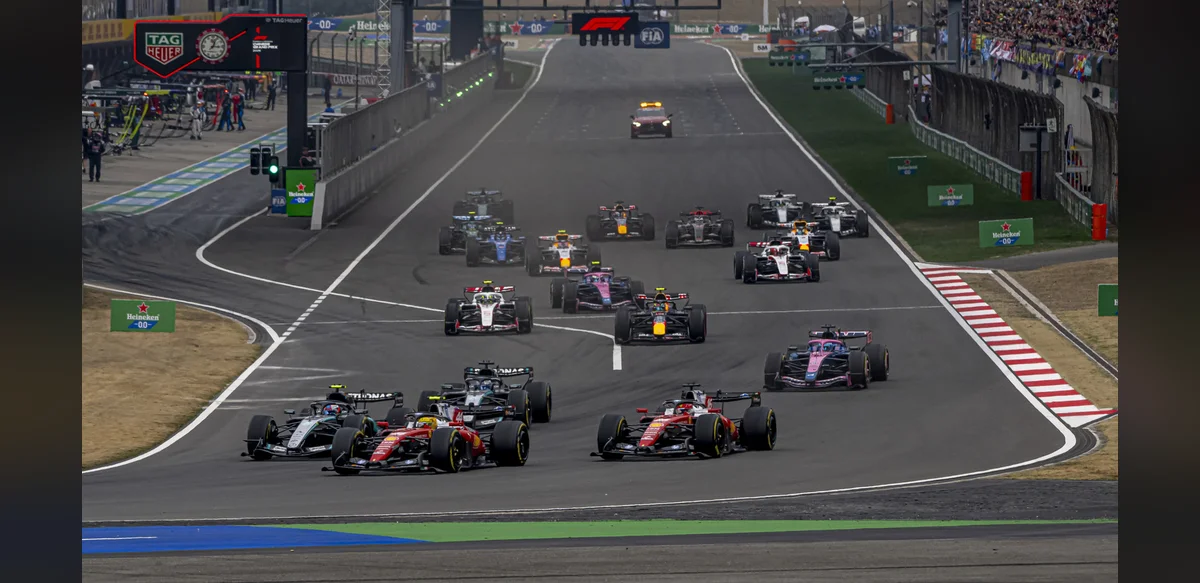
Formula 1 has long attracted a dedicated following around the globe. Observers frequently note that supporters express ongoing concerns about the direction of the championship. This piece examines the question of what adjustments might address common points of dissatisfaction while preserving the core appeal of the competition.
The sport combines high speed engineering with strategic elements that unfold over a season of events. Many viewers point to the predictability of results in recent years as a factor reducing excitement. A range of regulatory adjustments could encourage closer competition among participants without altering fundamental safety standards.
Cost control remains a recurring topic. Teams with larger budgets often maintain advantages in development cycles. Introducing stricter spending limits or shared components in certain areas might level opportunities for smaller organizations. Such measures would need careful calibration to avoid stifling innovation that drives technological progress in the field.
Safety protocols have evolved considerably over decades. Continued focus on track design and vehicle construction helps mitigate risks during high velocity maneuvers. Additional research into materials and impact absorption could further enhance protection for drivers while maintaining the visual intensity that draws audiences.
Entertainment value often comes under discussion. Formats such as qualifying sessions and race structures influence viewer engagement. Experimenting with session lengths or introducing new competitive elements might sustain attention across longer events. Feedback from diverse spectator groups could guide refinements that appeal to both longtime followers and newer audiences.
Global expansion presents both opportunities and challenges. Hosting events in varied locations broadens reach yet raises questions about logistics and environmental considerations. Balancing the calendar to include established venues alongside emerging markets requires coordination among stakeholders.
Technological advancements play a central role in vehicle performance. Hybrid power units and aerodynamic features represent areas of continuous development. Policies that promote sustainable practices in these domains could align the championship with broader industry shifts toward efficiency.
Driver talent development forms another dimension. Pathways from junior categories to the top level influence the diversity of competitors. Support for training programs and scouting initiatives might help surface skilled individuals from wider geographic regions.
Media coverage and accessibility affect how the sport connects with the public. Broadcast arrangements and digital platforms shape the experience for remote viewers. Enhancements in presentation styles could make sessions more approachable without compromising the technical depth that enthusiasts value.
Historical context shows that Formula 1 has adapted multiple times in response to external pressures and internal reviews. Past changes to engine specifications or tire regulations demonstrate the capacity for evolution. Drawing lessons from those periods may inform current proposals.
Stakeholder input from drivers, teams, and organizers contributes to decision making processes. Transparent discussions around proposed modifications help build consensus. Pilot programs tested in lower profile events could provide data before wider implementation.
Environmental impact has gained prominence in recent conversations. Efforts to reduce carbon footprints through fuel formulations or event operations reflect wider societal priorities. Integration of such goals into the championship framework might strengthen its relevance.
Fan engagement extends beyond live attendance. Merchandise, simulations, and interactive content offer supplementary ways to participate. Developing these avenues thoughtfully could deepen connections while respecting the primary focus on on track action.
Challenges related to weather and scheduling add variability that sometimes affects outcomes. Contingency planning and flexible rules might minimize disruptions while preserving the unpredictable elements that create memorable moments.
Overall the hypothetical exercise of assuming control for a day highlights the complexity of balancing tradition with necessary updates. Multiple perspectives must be weighed to arrive at solutions that sustain interest across generations of supporters. Continued dialogue remains essential for navigating these considerations effectively.


