

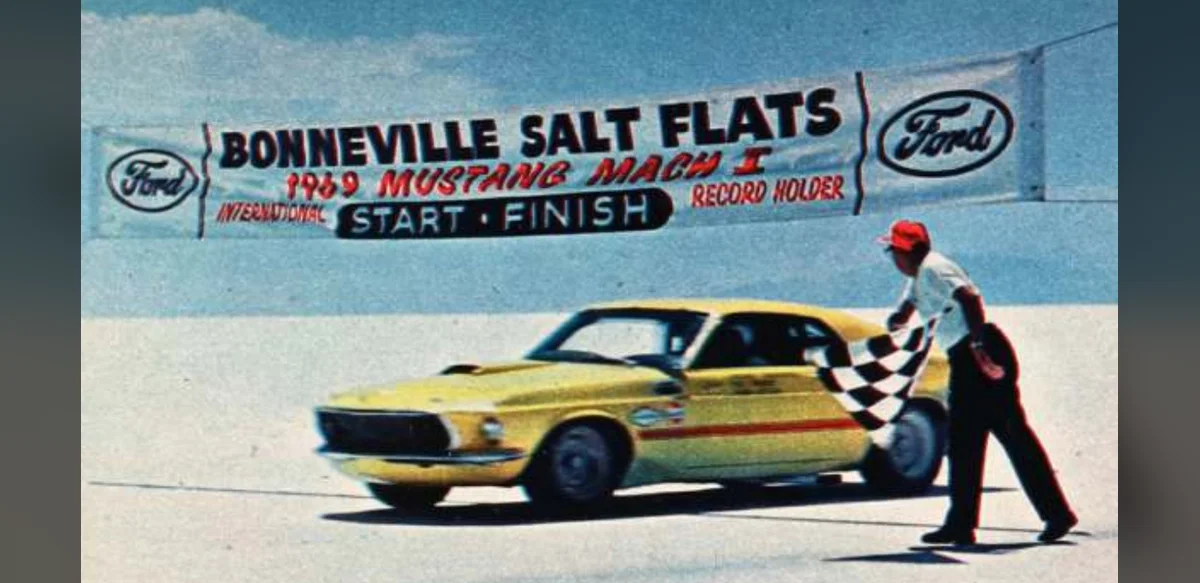
In the late 1960s a dedicated effort focused on three Ford Mustang Mach 1 automobiles prepared for high speed testing at the Bonneville Salt Flats. The project resulted in the establishment of 295 new speed records during the 1968 season. Organizers emphasized careful preparation of the vehicles to ensure consistent performance across numerous timed runs.
The salt flats provided a unique environment for such attempts due to their flat and expansive surface. Teams worked methodically to configure each car for optimal aerodynamics and mechanical reliability. Multiple passes were completed under controlled conditions to document each new mark.
Observers noted the systematic approach taken to break existing benchmarks in various speed categories. The three vehicles operated in rotation allowing continuous activity throughout the event period. Data collection included precise timing measurements that verified each achievement.
Preparation involved adjustments to engine output suspension systems and body configurations suited to the demanding terrain. Technicians monitored performance indicators closely during every run to maintain safety and accuracy. The overall outcome demonstrated the capability of the selected model in sustained high speed operation.
Records were logged across a range of distances and speeds reflecting different testing protocols. Each verified result contributed to the total of 295 new entries. The process highlighted the importance of repetition and verification in record setting activities.
Weather conditions at the location can vary significantly requiring flexible scheduling. Participants adapted their timetable to take advantage of favorable periods for maximum speed. This flexibility supported the completion of the extensive testing program.
The Mustang Mach 1 platform offered a balance of power and handling that suited the requirements of the salt flat environment. Engineers focused on fine tuning components to extract consistent results from each vehicle. The coordinated use of three identical cars helped distribute workload and reduce downtime.
Documentation of the records followed established procedures recognized by timing authorities. Officials reviewed all measurements before certifying the new marks. This formal process ensured the validity of the reported achievements.
The event underscored the role of specialized venues like Bonneville in automotive performance evaluation. Such locations allow for straight line acceleration and top speed assessment without the constraints of typical roadways. The flat surface minimizes variables that could affect timing accuracy.
Throughout the campaign attention remained on maintaining vehicle integrity across repeated high speed exposures. Regular inspections and minor recalibrations supported ongoing operation. The cumulative effort produced the substantial collection of new records.
In summary the 1968 Bonneville activity involving the three Mustang Mach 1 cars delivered 295 verified speed records. The methodical execution reflected standard practices in record attempt programs. This outcome added to the historical documentation of performance capabilities at the famous salt flats location.


