

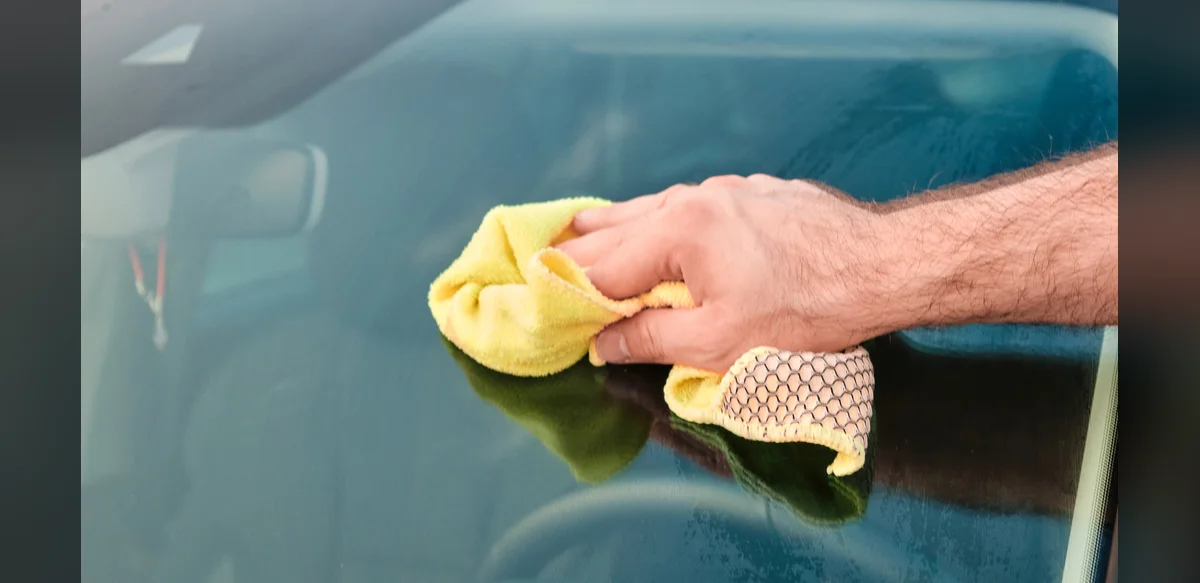
Many vehicle owners seek simple household methods to maintain clear visibility through windshields and mirrors. One approach involves combining white vinegar with distilled water in equal proportions to create an effective cleaning mixture. This solution helps remove common residues such as mineral deposits and light grime from glass surfaces.
Preparation begins by measuring identical volumes of white vinegar and distilled water. The liquids are combined in a suitable container and stirred gently to ensure uniform distribution. Users then apply the mixture using a clean cloth or spray applicator directly onto the glass areas. Wiping follows in a systematic pattern to cover all sections evenly without streaks.
Care must be taken during application to prevent the solution from contacting painted body panels or rubber components like seals and wipers. Prolonged exposure on these materials may lead to unintended effects, so immediate removal with a damp cloth is advisable if contact occurs. The process concludes with a final polish using a dry microfiber towel for optimal clarity.
This method offers an accessible option for routine maintenance in various environments. Distilled water reduces the risk of additional mineral buildup compared to tap water alternatives. Regular use can support consistent visibility during daily driving.
Drivers are encouraged to test the mixture on a small inconspicuous glass section first. Storage of the prepared solution in a labeled container away from direct sunlight helps preserve its properties. Frequency of application depends on local conditions such as dust levels or seasonal weather patterns.
Additional considerations include working in shaded areas to avoid rapid drying that could cause spots. Multiple light applications often yield better results than a single heavy one. The technique aligns with general practices for glass upkeep without specialized equipment.
Overall, the equal-parts vinegar and distilled water combination provides a straightforward means to address glass cleaning needs while emphasizing protective steps around sensitive vehicle surfaces. Consistent attention to these details contributes to safer operation through improved sightlines.


