

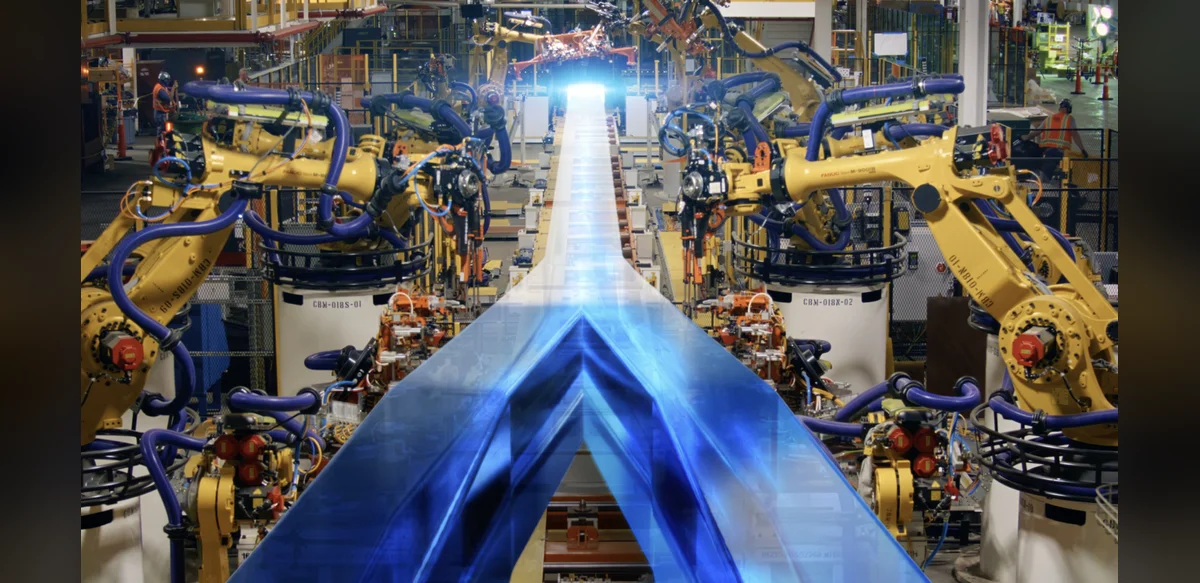
Ford has confirmed that its upcoming electric pickup truck model will enter manufacturing at an established facility located in Louisville, Kentucky. This decision aligns with the company’s strategy to utilize existing infrastructure for upcoming vehicle lines. Production activities are scheduled to begin during the year 2027, allowing time for necessary preparations and adjustments at the site.
The choice of this particular plant reflects considerations around capacity and regional resources. Kentucky has seen ongoing developments in automotive assembly over recent years, positioning it as a viable location for advanced vehicle output. The timeline provides a window for workforce training and supply chain coordination ahead of the start date.
Industry observers note that shifting toward electric models requires significant planning at the manufacturing level. Facilities like the one in Louisville are being evaluated for their ability to handle new powertrain technologies and related components. The 2027 target offers a structured path forward without immediate disruption to current operations.
Local economic factors play a role in such announcements. The region benefits from established transportation networks and access to necessary materials, which can support large-scale assembly processes. Officials have expressed interest in how this project might contribute to sustained employment opportunities in the area over the coming years.
Broader trends in the automotive sector emphasize the transition to electrified vehicles. Manufacturers are increasingly focusing on dedicated production lines to meet anticipated demand. By selecting a known site, the company can leverage prior experience with similar builds while adapting to updated requirements.
The announcement comes amid discussions about the pace of electric vehicle adoption across various markets. Production start dates are often set with flexibility to account for regulatory changes or material availability. In this case, the Kentucky location provides a stable base for initial rollout phases beginning in 2027.
Supply chain partners will likely coordinate closely with the plant to ensure components arrive on schedule. This includes elements specific to electric power systems, which differ from traditional setups. The extended preparation period allows for testing and validation processes to occur methodically.
Community stakeholders in Louisville have followed similar projects in the past, noting the potential for infrastructure improvements tied to major industrial activities. While details remain focused on the core production timeline, the overall initiative underscores the evolving nature of vehicle manufacturing in established hubs.
Looking ahead, the 2027 commencement marks a key milestone in the model’s development cycle. It follows standard industry practices where announcements precede actual output by several years to accommodate engineering and logistical needs. The selected facility stands ready to incorporate necessary modifications during this interval.
Overall, the move highlights strategic use of regional assets for next-generation vehicles. Continued monitoring of progress at the plant will provide further insights as the date approaches, maintaining emphasis on efficient and reliable manufacturing practices.


