

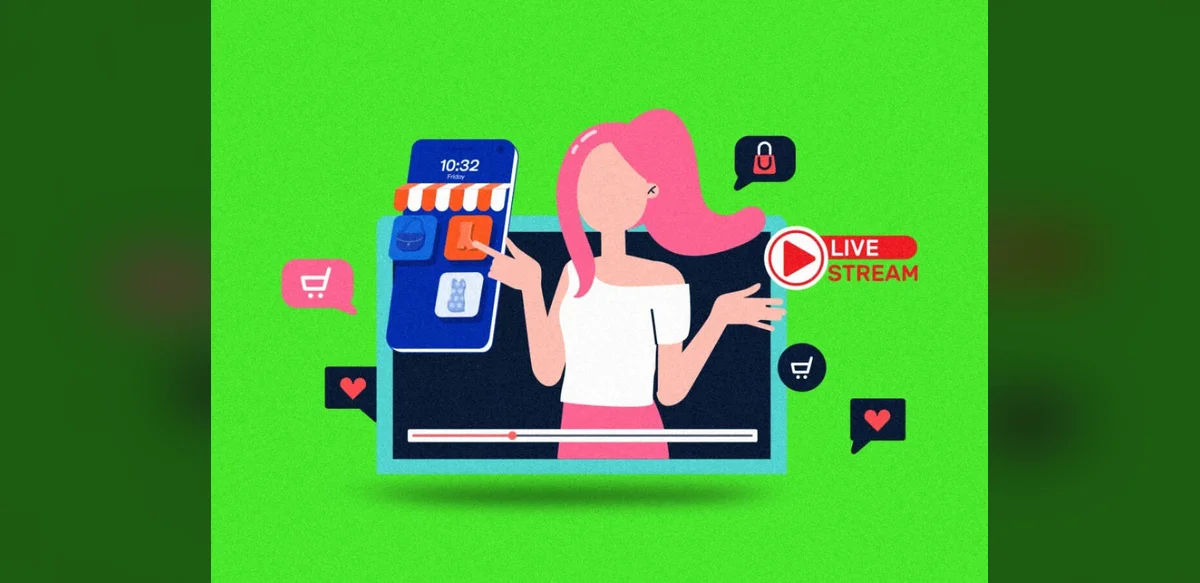
Social media personalities are increasingly moving into the role of business founders by creating their own lines of everyday products. This development has attracted significant attention from investors who provide capital to support growth. The trend reflects a broader shift where individuals with large online followings leverage their audiences to introduce goods directly to consumers.
In recent years many people who built popularity through short videos and posts have decided to apply their reach toward selling items such as apparel accessories and household goods. Rather than relying solely on sponsorship deals these creators now design and market items under their own labels. Investors see potential in the direct connection these individuals maintain with their audiences which can translate into rapid initial sales.
The process typically begins with an influencer identifying a gap in the market based on feedback from followers. They then work with manufacturers to develop prototypes before launching through online platforms. Early funding rounds often come from venture firms that specialize in consumer goods and digital commerce. This capital helps cover production costs marketing campaigns and distribution logistics.
Observers note that the model benefits from lower customer acquisition expenses compared to traditional brands. Because the founder already possesses a built-in group of engaged users promotional efforts can focus on product quality and storytelling rather than broad awareness campaigns. At the same time this approach carries risks if audience trust is damaged by quality issues or perceived overpromotion.
Industry analysts describe the movement as part of ongoing changes in how products reach buyers. Traditional retail channels face competition from direct-to-consumer strategies that emphasize personal connection and rapid iteration based on user input. Venture investors monitor these launches closely because successful examples can scale quickly and generate substantial returns.
Challenges remain for participants in this space. Competition among similar offerings has increased as more creators enter the market. Supply chain management and regulatory compliance also require attention once operations expand beyond initial test batches. Some founders choose to partner with experienced operators to handle day-to-day business functions while retaining creative direction.
Looking ahead the pattern may continue as platforms evolve and new tools emerge for content creation and commerce integration. The combination of audience influence and external funding provides a pathway for individuals to build lasting enterprises. Success ultimately depends on delivering consistent value that meets or exceeds expectations set during the launch phase.
Overall the development highlights how digital presence can serve as a foundation for physical product businesses. Investors continue to evaluate opportunities in this area with an emphasis on sustainable growth metrics and customer retention. The result is a dynamic segment within the broader consumer market that blends personal branding with commercial ambition.


