

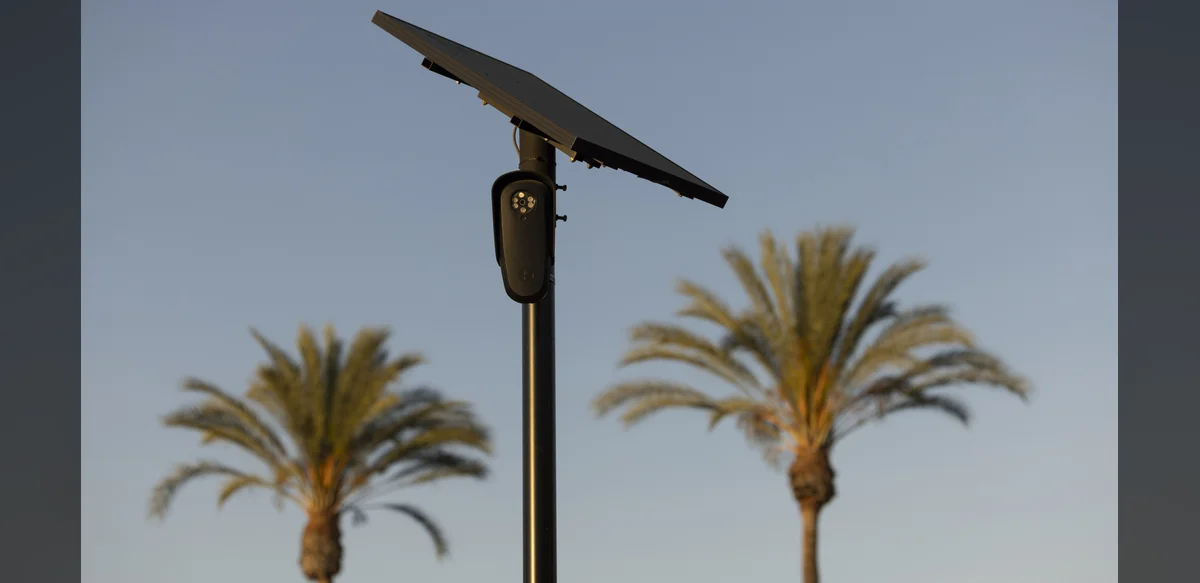
Reports from a California town indicate that automated license plate recognition systems are achieving far lower accuracy than advertised by their manufacturer. The company behind the technology has stated that its cameras operate with success rates in the high nineties percent range under normal conditions. Local data collected in the community however points to an actual performance level of approximately twenty nine percent when identifying vehicle plates correctly.
This gap between claimed performance and observed results has prompted discussions among residents and local officials about the reliability of such systems in everyday use. The cameras are typically deployed to assist with monitoring traffic and supporting law enforcement activities. When accuracy falls short of expectations the potential for misidentification increases which can lead to unnecessary follow up actions or missed opportunities to record relevant information.
Community members have noted that environmental factors such as lighting variations weather conditions and vehicle speeds may contribute to the reduced effectiveness observed in the area. Officials have begun reviewing the collected statistics to determine whether adjustments to camera placement or software settings could improve outcomes. At the same time the manufacturer maintains that its equipment meets high standards when installed and calibrated according to recommended guidelines.
The situation highlights broader questions about the deployment of automated monitoring tools in public spaces. While these systems are intended to enhance safety and efficiency their real world performance can vary based on local conditions. Town representatives have indicated they will continue to gather data and consult with technical experts before deciding on next steps regarding continued use of the cameras.
Further analysis is expected in the coming weeks as additional records are examined. The focus remains on ensuring that any technology adopted by the community delivers results consistent with its intended purpose without creating undue burdens for residents or authorities. This case serves as an example of how performance claims can differ from practical experience in specific locations.


