

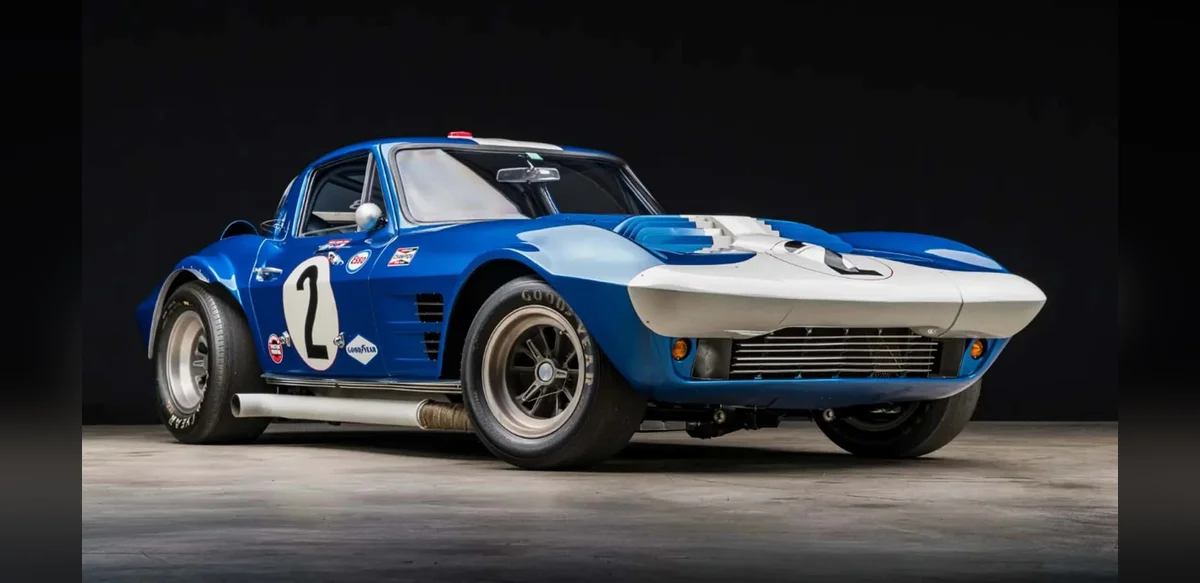
A notable example of early 1960s American motorsport engineering is drawing attention ahead of an upcoming sale. The vehicle in question is a 1963 Chevrolet Corvette Grand Sport, a model developed with significant weight reductions to enhance its performance on the racetrack.
Engineers achieved a reduction of roughly 1,300 pounds compared to standard production versions. This modification allowed the car to compete more effectively against rival vehicles from the same era. Its design focused on improved handling and speed, positioning it as a direct challenger in competitive events.
The Corvette Grand Sport emerged during a period when manufacturers sought to create specialized racing variants. By stripping excess weight and refining key components, the model gained a reputation for agility. It participated in events where it faced off against established competitors, contributing to its place in automotive history.
Auction specialists anticipate strong interest from collectors. Estimates suggest the car could reach a sale price of around 13 million dollars, reflecting its rarity and documented racing background. Such figures underscore the growing market for well-preserved examples from this period.
Preservation efforts have maintained the car’s original modifications and historical details. Experts note that surviving units like this one offer insight into the technical approaches taken by manufacturers to meet racing demands. The weight savings were accomplished through targeted changes to the body, chassis, and other elements without compromising structural integrity.
Interest in these vehicles extends beyond their performance capabilities. They represent a chapter in the evolution of production-based race cars, where factories adapted existing platforms for track use. The Corvette Grand Sport stands out for its role in challenging dominant entries from other teams during the mid-1960s.
Market analysts observe that prices for similar historic automobiles have risen steadily in recent years. Factors driving this trend include limited availability, documented provenance, and appeal to enthusiasts of classic racing. This particular example’s connection to competitive events against prominent rivals adds to its desirability.
Restoration work on the car has been carried out with attention to authenticity. Maintainers have preserved the lightweight configuration that defined its racing character. Potential buyers are expected to value both its engineering heritage and its visual presence as a period-correct machine.
The upcoming sale will provide a benchmark for comparable models. Observers will watch closely to see how the final price aligns with projections, offering further data on collector preferences for 1960s American performance cars. This event highlights ongoing appreciation for vehicles that combined production roots with racing adaptations.
Overall, the 1963 Chevrolet Corvette Grand Sport continues to attract attention for its technical innovations and competitive legacy. Its anticipated auction result may further illustrate the sustained demand for such historically significant automobiles.


