

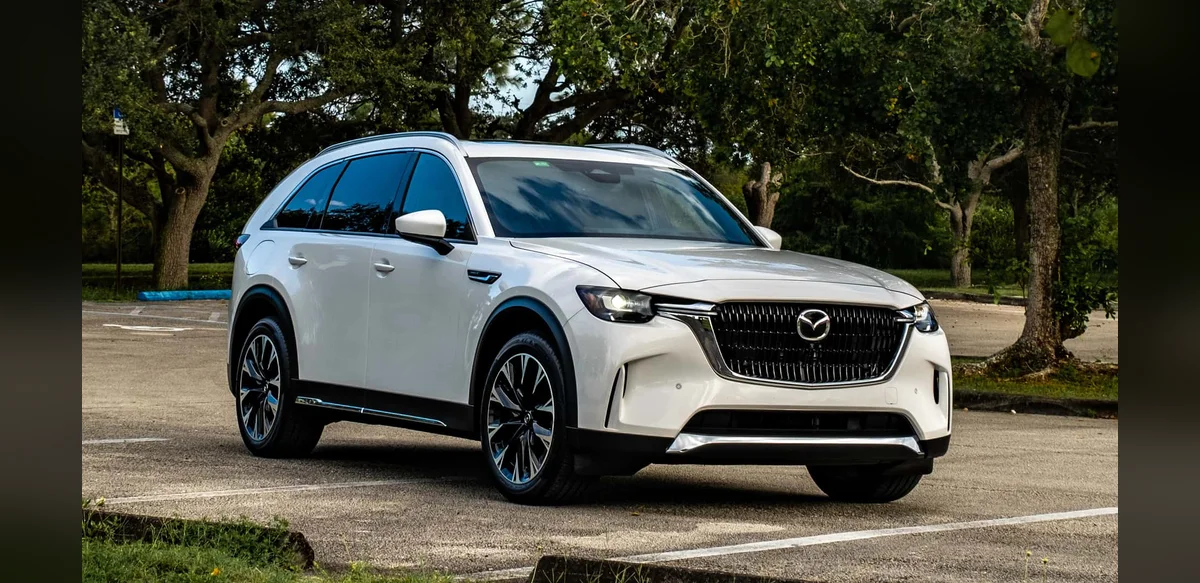
Mazda has expressed clear dissatisfaction regarding the performance of its CX-70 and CX-90 sport utility vehicles in the North American region. The company developed these rear-wheel-drive models with a primary focus on meeting the preferences of buyers in the United States. Despite this targeted engineering approach, sales figures have fallen short of expectations, leading to internal concerns about the current market reception.
Executives at the automaker have highlighted that the situation falls below acceptable standards. The vehicles were positioned as premium options within the large SUV segment, incorporating advanced features suited to American driving conditions and consumer demands. However, the uptake has not matched projections, prompting a review of strategies moving forward.
The CX-70 and CX-90 represent significant investments in product development for Mazda. Engineers tailored the platforms to emphasize handling dynamics and spacious interiors that align with regional tastes. Yet the ongoing sales challenges indicate that additional factors may be influencing buyer decisions in a competitive landscape.
Industry observers note that the large SUV category remains highly contested, with multiple manufacturers offering similar vehicles. Mazda’s emphasis on rear-wheel-drive architecture was intended to differentiate the models through superior dynamics. This approach, while technically sound, has not translated into stronger market share thus far.
Company statements underscore a commitment to addressing the shortfall. Plans may involve adjustments in marketing, pricing, or feature offerings to better resonate with potential customers. The focus remains on ensuring that the engineering efforts yield the intended commercial results over time.
North American operations continue to play a central role in Mazda’s overall business. The region accounts for a substantial portion of global volume, making the underperformance of these flagship SUVs particularly noteworthy. Leadership has signaled that corrective measures will receive priority attention in upcoming planning cycles.
The vehicles themselves feature modern powertrains and refined interiors designed to appeal to families and long-distance travelers. Their introduction was accompanied by expectations of steady growth in a segment that values both capability and comfort. Current trends suggest that realizing those expectations will require further refinement.
Mazda maintains that the core attributes of the CX-70 and CX-90 remain strong. The disappointment stems primarily from volume levels rather than product quality. This distinction allows the company to retain confidence in the underlying design while pursuing improved commercial outcomes.
Future updates could include enhanced connectivity options or revised powertrain calibrations aimed at broadening appeal. Such iterations would build upon the existing foundation without altering the fundamental rear-wheel-drive character that defines the lineup.
Overall, the automaker views the present circumstances as a temporary setback rather than a fundamental flaw. Continued monitoring of sales data and customer feedback will guide subsequent actions. The goal is to align the strong engineering pedigree of these models with sustained market success in the target region.


