

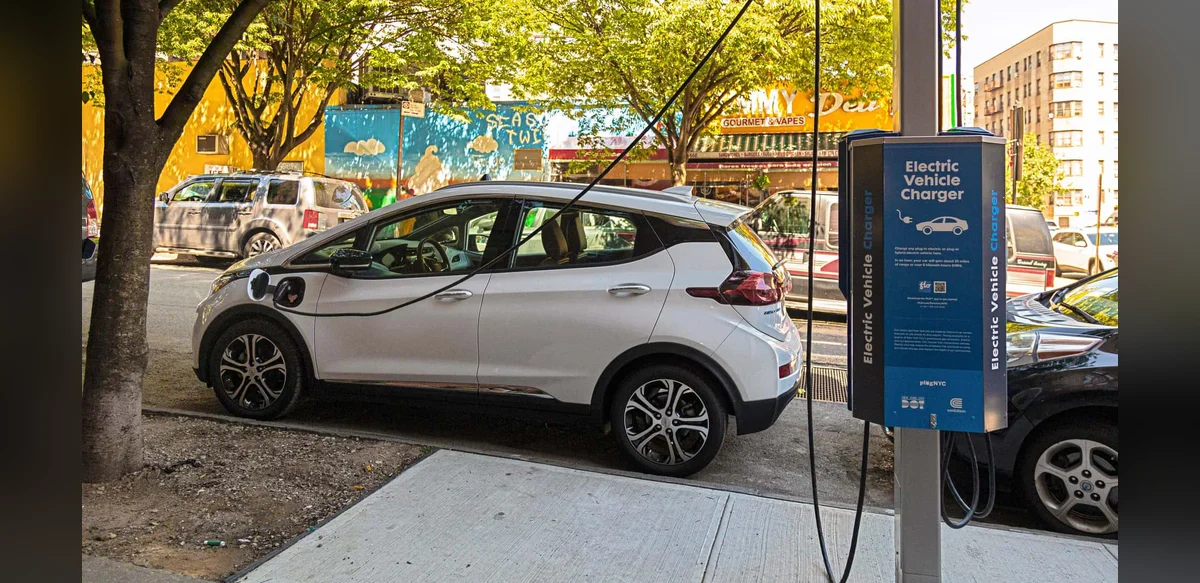
New York City plans to add hundreds of electric vehicle charging stations along public streets. The effort focuses on helping residents in apartment buildings who lack access to private home charging options. Officials aim to expand infrastructure that supports growing interest in electric vehicles among city dwellers.
The project includes the placement of 600 curbside chargers at various locations. These units will allow drivers to connect their vehicles while parked on the street near their homes. Such access can reduce barriers for those living in multi-unit housing where dedicated charging is unavailable.
In addition to the curbside installations, the city will place 92 new fast charging points. These will be located at municipal parking fields and garages. Nearly 200 Level 2 plugs are also scheduled for the same facilities. The combination of charger types is intended to offer options for different charging needs and time frames.
Apartment residents often face challenges when considering electric vehicle ownership. Without easy access to charging, daily use can become inconvenient. The new street-side stations seek to address this issue by bringing facilities closer to where people live. This approach may encourage more individuals to switch from gasoline-powered cars.
City parking facilities will receive upgrades alongside the curbside work. Fast chargers can replenish batteries in shorter periods compared to standard units. Level 2 plugs provide steady charging suitable for longer parking durations. Together these additions expand capacity at existing public sites.
The overall initiative reflects broader trends in urban transportation planning. Municipalities are increasingly investing in electric vehicle support as adoption rates rise. New York City’s program targets practical obstacles faced by a large portion of its population. Street parking is common in many neighborhoods, making curbside solutions particularly relevant.
Implementation will occur across multiple areas to distribute access evenly. Planners have considered locations that serve dense residential zones. The goal is to create a network that integrates with daily routines rather than requiring special trips. This can make electric vehicle use more seamless for commuters and local drivers alike.
Maintenance and reliability of the new equipment will be important factors. Regular checks and prompt repairs can ensure consistent service. Public awareness campaigns may accompany the rollout to inform residents about availability and usage. Clear signage and simple payment systems can further improve the experience.
Electric vehicle charging infrastructure continues to evolve in major cities. Programs like this one contribute to reducing emissions from transportation. They also support local air quality improvements over time. Residents who gain convenient charging access may find the transition to electric models more appealing.
The combination of curbside and facility-based chargers creates a layered system. Drivers can choose based on urgency and location. Fast options suit quick top-ups while slower plugs work well for overnight or extended stays. This variety addresses different usage patterns common in urban settings.
New York City’s approach highlights the role of public investment in supporting private vehicle choices. By focusing on apartment residents, the plan targets a demographic that represents a significant share of the population. Expanded access can help integrate electric vehicles into everyday city life without requiring major changes to housing stock.
Details on timelines and specific sites will be released as the project advances. Coordination with utility providers and equipment suppliers will be necessary for smooth execution. The effort demonstrates how targeted infrastructure can align with environmental and mobility objectives in a dense metropolitan area.


