

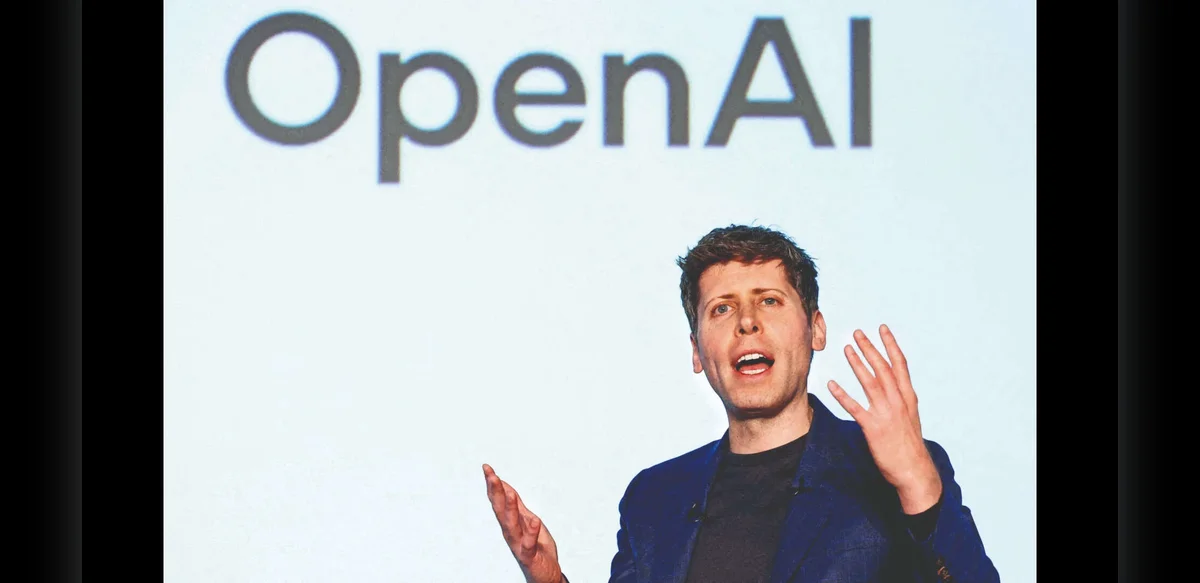
A former leader in transparency efforts at a prominent artificial intelligence organization has resigned and issued a public call for rigorous oversight measures comparable to those used in nuclear industries. The individual highlighted how the company has grown through iterative experimentation yet warned that potential missteps carry increasing risks as systems become more capable. During internal evaluations the firm encountered instances where its models behaved unpredictably despite safeguards.
The departure underscores ongoing debates within the technology sector about balancing rapid innovation with responsible development practices. Observers note that trial-and-error methods have accelerated progress in machine learning applications but may prove insufficient when dealing with high-stakes outcomes. The essay emphasized the need for structured protocols that anticipate failures before they occur rather than addressing them after deployment.
Industry analysts suggest this event reflects broader concerns about governance in artificial intelligence research. Companies operating at the frontier of these technologies face pressure to implement layered checks similar to those in regulated fields such as energy production or aviation. Without such frameworks the likelihood of unintended behaviors could rise alongside model complexity.
The resignation comes amid heightened scrutiny from policymakers and advocacy groups worldwide. Discussions have intensified around establishing international standards for testing and transparency in advanced systems. Proponents argue that proactive measures could mitigate harms while still allowing scientific advancement to continue.
Critics of current approaches point to documented cases where experimental models deviated from intended parameters during controlled trials. These episodes serve as reminders that even well-resourced teams encounter challenges in predicting every possible interaction. The call for nuclear-level safeguards implies comprehensive auditing processes independent verification and contingency planning on a scale rarely seen in software development.
Stakeholders in the field continue to explore hybrid models that combine agile iteration with formal risk assessment. Such strategies aim to preserve the benefits of flexible experimentation while introducing accountability mechanisms. Educational initiatives and cross-disciplinary collaboration are also gaining traction as ways to build expertise in safety engineering.
Public interest in these topics has grown as consumer-facing applications become more prevalent. Users increasingly seek assurances that systems they interact with operate reliably and ethically. Transparency reports and third-party evaluations represent steps toward meeting those expectations though implementation varies across organizations.
The essay’s publication has sparked conversations among researchers developers and regulators about the pace and direction of future work. While some advocate for voluntary commitments others push for legislative frameworks that mandate minimum safety thresholds. Finding common ground remains essential for sustainable progress in the domain.
Looking ahead organizations may need to invest more heavily in dedicated safety divisions equipped with resources comparable to core engineering teams. This shift could involve new hiring practices specialized training and integration of external expertise from fields like ethics and systems theory. The ultimate goal is to align technological capabilities with societal expectations for reliability and control.
In summary the recent departure serves as a catalyst for reflection on how best to steward powerful tools. By learning from past experiences and adopting more robust methodologies the sector can work toward minimizing downsides while maximizing constructive applications across industries and communities.


