

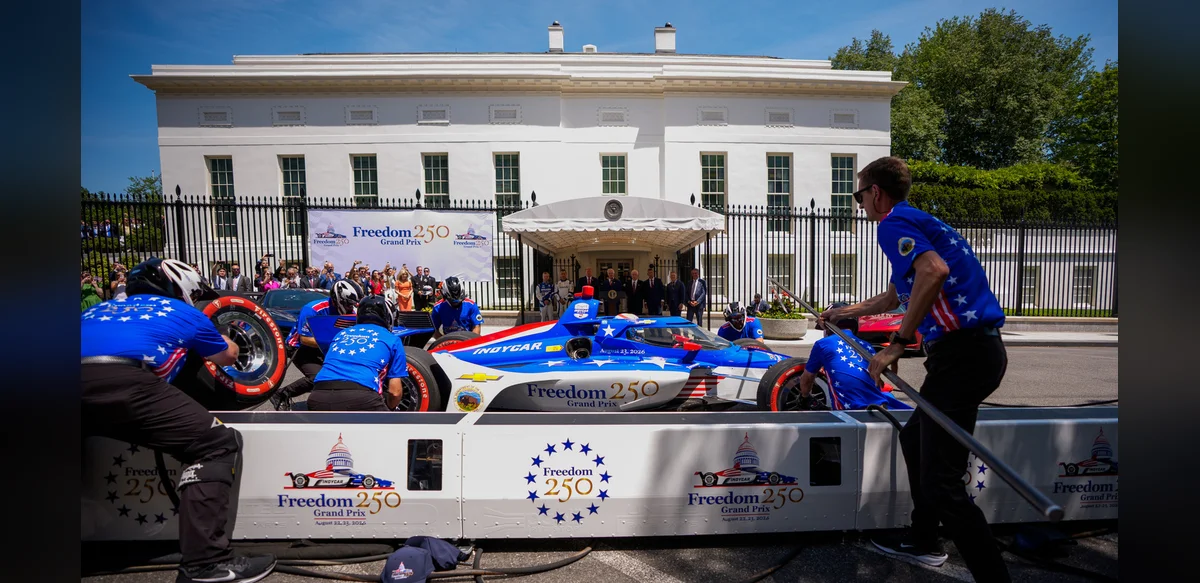
Discussions around a potential IndyCar street race in Washington DC have sparked debate over several aspects of the event. While some objections center on traffic disruption, public costs, and urban planning priorities, one frequently raised issue receives less support from available data. The size of the current full-time IndyCar field stands at 25 cars, a figure that limits the overall impact on road surfaces compared with everyday vehicle volumes.
Street circuit events require temporary modifications to public roadways, including barriers, runoff areas, and surface preparations. Organizers typically restore the streets afterward, yet questions persist about long-term effects. In this case, the modest number of competing vehicles means fewer high-speed passes over any given section of pavement during practice, qualifying, and the race itself. Regular commuter traffic in a dense urban area often exceeds that volume by orders of magnitude over the same period.
Engineering assessments of similar events elsewhere indicate that modern racing tires and controlled speeds produce measurable but contained stress on asphalt. Factors such as weather, prior road condition, and the duration of the event play larger roles than the count of race cars alone. With only 25 entries, cumulative wear remains low enough that standard resurfacing schedules can address any incremental damage without extraordinary expense.
Critics of the proposal have cited other legitimate concerns. These include the need for extensive security measures, potential interference with local businesses during setup and teardown, and questions about whether public funds should support motorsport activities. Residents have also expressed worries about noise levels and restricted access to certain neighborhoods for several days. Each of these points merits separate evaluation based on detailed planning documents and community input.
Proponents argue that the event could generate tourism revenue and highlight the city on a national stage. Comparable street races in other locations have produced mixed economic results, with benefits sometimes offset by preparation costs. Decision makers will need to weigh these projections against verifiable figures from past events rather than assumptions.
The limited field size does not eliminate all infrastructure considerations. Temporary structures must still meet safety standards, and post-event inspections remain necessary. However, the scale of vehicle-related pavement impact stays proportionally small. This distinction allows focus to shift toward the broader policy questions surrounding the race.
Public records show that IndyCar has maintained a consistent roster near 25 full-time entries in recent seasons. This stability provides a predictable baseline for estimating event logistics. Larger fields in other series would present different calculations, yet that scenario does not apply here.
City officials have not released final cost estimates or traffic management plans at the time of this writing. Further details on road restoration protocols would help clarify any remaining technical questions. In the meantime, available information suggests that concerns specifically tied to surface damage from the racing cars themselves rest on limited evidence.
Ongoing dialogue between event organizers, local government, and community stakeholders will determine whether the proposal advances. Each objection, including those unrelated to pavement, deserves examination on its own merits. The current entry count simply removes one potential issue from the list of primary obstacles.


