

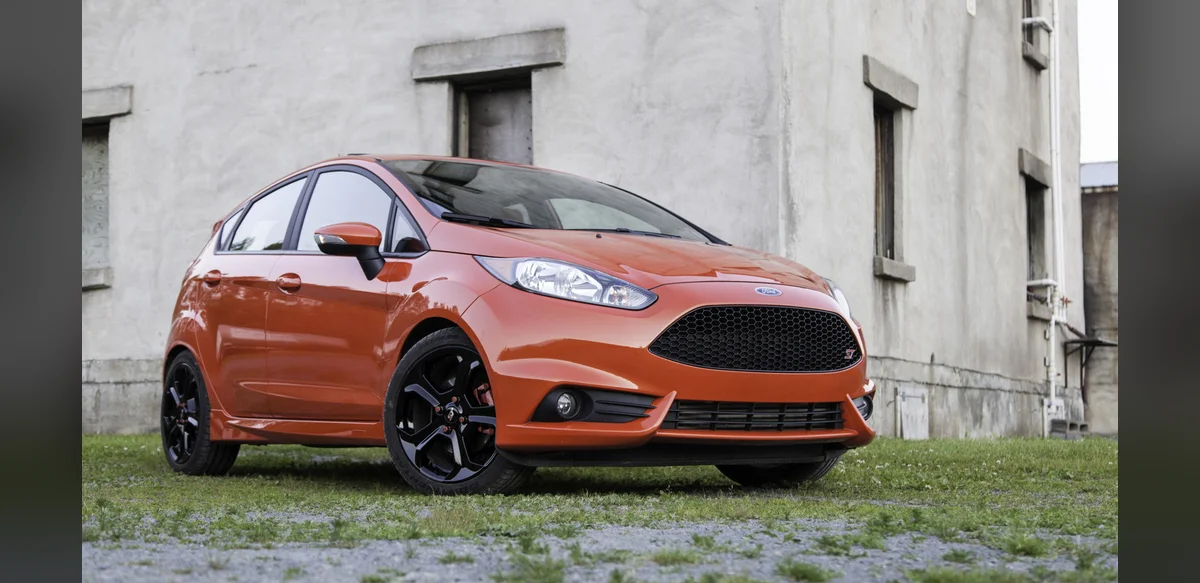
Before 2016 the automotive market offered several entry-level vehicles that combined practicality with engaging driving dynamics at accessible prices. One notable example was the Ford Fiesta ST which could be acquired for approximately twenty-two thousand dollars. This pricing reflected a period when smaller performance-oriented cars remained within reach for many buyers seeking more than basic transportation.
Market conditions at the time allowed manufacturers to deliver such models without the extensive regulatory and technological additions that later increased costs. Buyers could enjoy responsive handling and modest power outputs in compact packages that suited daily commuting as well as occasional spirited drives. The Fiesta ST stood out for its balance of affordability and capability.
Over subsequent years shifts in consumer preferences safety requirements and emissions standards altered the landscape for these vehicles. Many entry-level performance options gradually disappeared from showrooms as production priorities moved toward larger crossovers and electrified powertrains. The result has been a noticeable gap for enthusiasts who remember when such cars were readily available at lower price points.
Industry observers note that the pre-2016 era represented a high point for accessible performance in smaller segments. Models like the Fiesta ST provided an entry into modified car culture without requiring substantial financial outlay. Their absence today underscores broader changes in how vehicles are developed and priced.
Discussions among automotive communities often return to this timeframe when evaluating current options. While modern alternatives exist they frequently carry higher starting prices and different feature sets. The contrast highlights how market evolution has affected the availability of straightforward engaging entry-level cars.
Looking back the twenty-two thousand dollar Fiesta ST serves as a reference point for what once was possible in the segment. It illustrates a moment when performance and value aligned closely for a wide range of drivers. Such recollections continue to shape conversations about future directions in automotive design and accessibility.


