

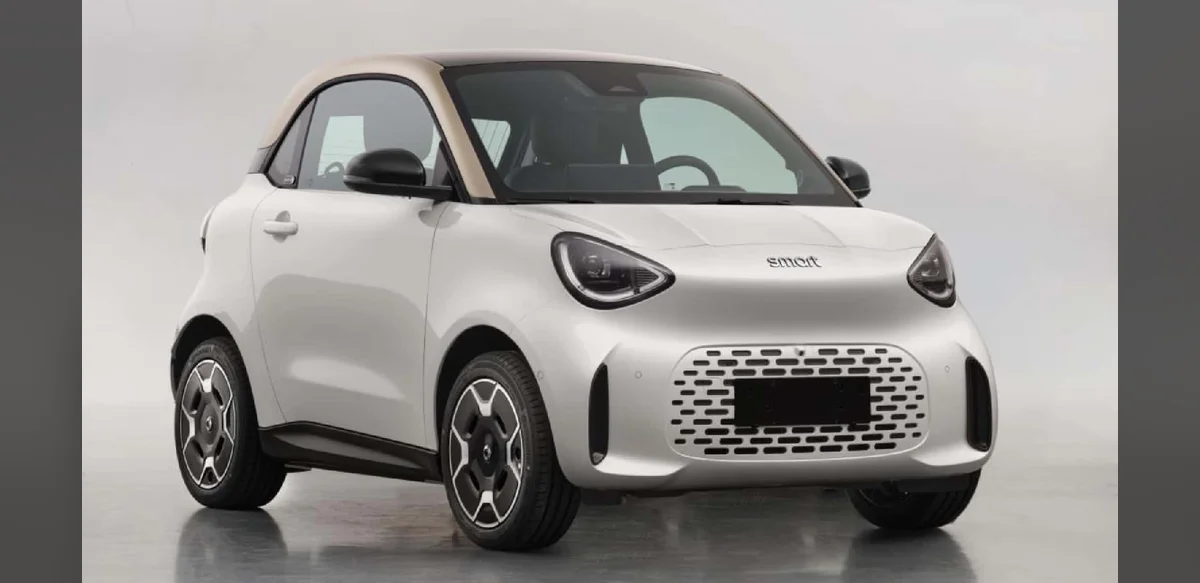
The automotive sector continues to see advancements in electric vehicle technology, with manufacturers focusing on improving range and efficiency for smaller models. One such development involves the return of a compact electric offering from Smart, which previously entered the U.S. market with limited driving distance capabilities.
Earlier versions of this vehicle provided an estimated range of 58 miles according to Environmental Protection Agency testing standards. This figure often highlighted challenges associated with urban commuting and longer trips for drivers relying solely on battery power.
The latest iteration, referred to as the number two model, aims to address these limitations by offering approximately three times the previous range. This enhancement could make the vehicle more practical for a broader set of users interested in electric options without frequent recharging.
Industry observers note that range improvements in electric vehicles stem from better battery technology, optimized energy management systems, and lighter construction materials. Such changes allow smaller cars to compete more effectively with larger counterparts in terms of daily usability.
Smart has positioned its vehicles as ideal for city environments where space is limited and maneuverability matters. The updated model maintains this focus while expanding potential travel distances, aligning with growing consumer interest in sustainable transportation solutions.
Market trends indicate rising adoption of electric vehicles globally, driven by policy incentives, infrastructure growth, and environmental considerations. Compact models like this one may appeal particularly to those seeking affordable entry points into electric mobility.
Testing and development phases for new electric models typically involve rigorous evaluations to verify performance claims under varied conditions. Manufacturers often release preliminary specifications ahead of full production to gauge interest and refine features.
The promise of extended range represents a step forward in addressing common concerns about electric vehicle practicality. As battery costs decrease and charging networks expand, such vehicles could see increased uptake in diverse regions.
Automotive analysts suggest that competition among brands will continue to push boundaries in electric vehicle design, with emphasis on balancing size, cost, and capability. Smart’s approach with its smallest offering reflects these broader dynamics.
Future updates may include additional details on pricing, availability timelines, and exact specifications once the model approaches launch. In the meantime, the range improvement stands as a key highlight for potential buyers evaluating options in the electric segment.
Overall, developments like this contribute to the ongoing transition toward electrified transportation, supporting goals related to reduced emissions and energy independence. The evolution from earlier limited-range versions to more capable successors underscores progress in the field.


