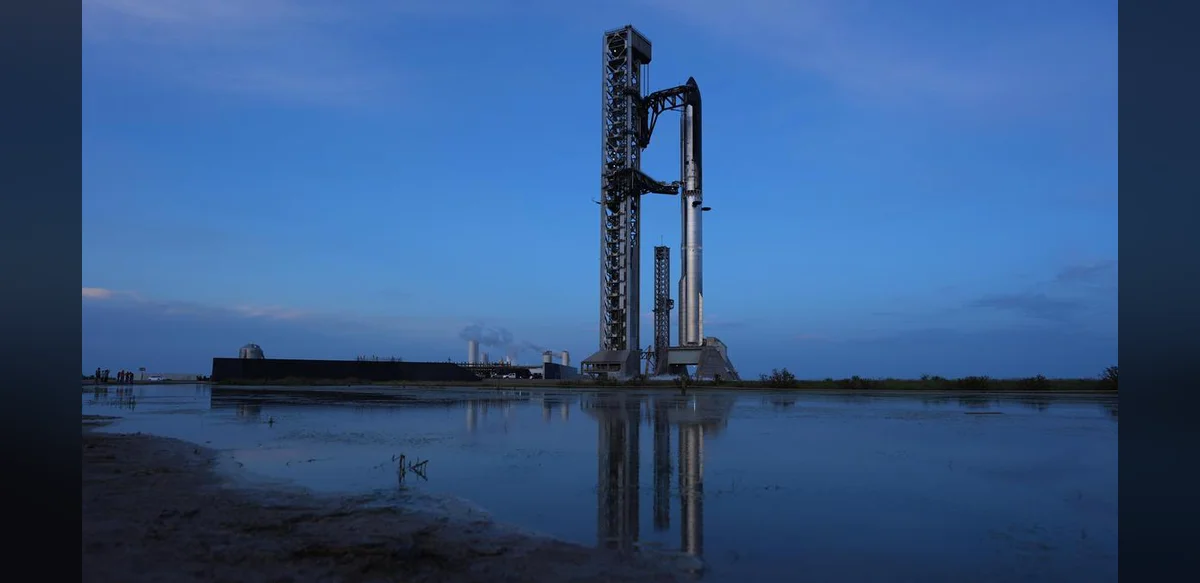
SpaceX on Thursday aborted its first Starship flight since the company went public, halting the attempt just as the booster began ignition. Several engines failed to start, which triggered an automatic launch abort. Propellant offloading followed, according to company head Elon Musk on X. Two Raptors will be removed and replaced to ensure a successful flight, with the next attempt likely early next week. The mission would mark the rocket’s 13th flight overall. Objectives remain similar to a largely successful May test that introduced the third-generation Starship. That flight demonstrated new designs but encountered engine problems on the Super Heavy booster, leading to a Gulf of Mexico impact instead of a controlled return. Several hardware and software changes have been made since. The upcoming test seeks a clean sequence of launch, ascent, stage separation, boostback burn and offshore booster landing. The upper stage will release 20 Starlink V3 satellites, attempt a Raptor engine relight in space and evaluate heat shield upgrades. This will be the first flight after SpaceX’s June public listing, which set a record IPO. Shares closed at $131.11 on Thursday, below the $135 IPO price. The company continues to grow its satellite internet service and pursue plans for orbital AI data centers while developing a lunar lander version of Starship under NASA contract.