


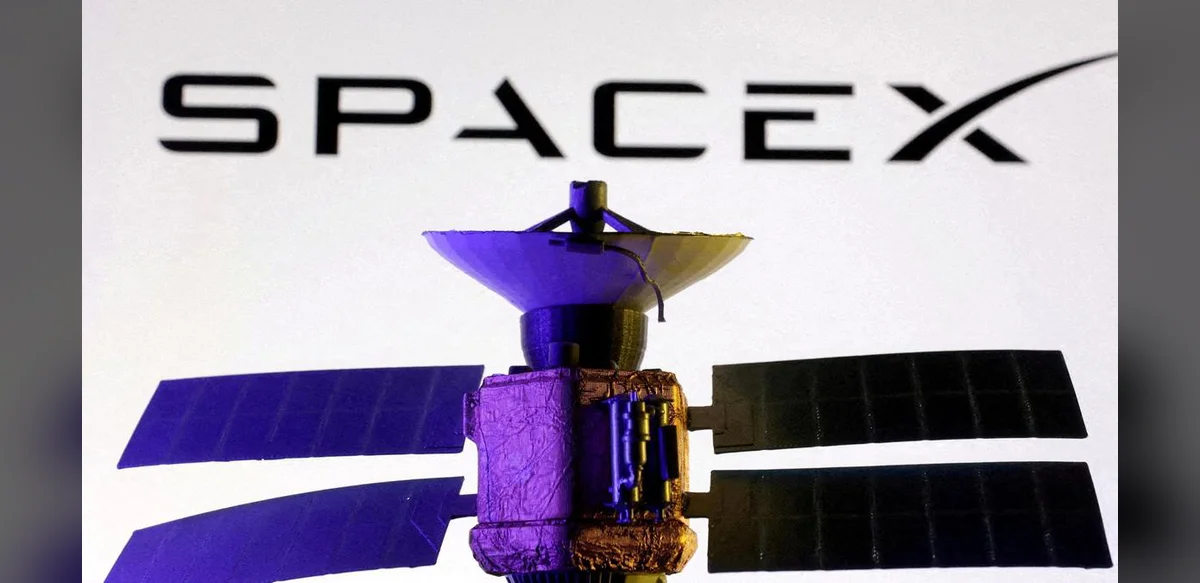
Recent developments have highlighted the influence of private satellite networks in global conflicts. Reports indicate that access to a military-grade satellite communication system was restricted for Ukrainian forces following criticism from former U.S. President Donald Trump regarding strikes on Russian energy facilities.
The decision underscores the growing role of commercial space infrastructure in wartime logistics and command operations. Such networks, originally designed for civilian connectivity, have been adapted for defense purposes in various regions. Analysts note that control over these systems rests with private entities rather than traditional state authorities.
Background on the technology shows its rapid deployment in conflict zones since 2022. Terminals provided connectivity in areas with damaged ground infrastructure, enabling coordination for military and humanitarian efforts alike. Usage expanded significantly as ground-based options became unreliable.
The restriction came after public statements criticizing Ukrainian targeting of energy sites inside Russia. This sequence of events illustrates how commercial decisions can intersect with geopolitical pressures. Observers emphasize that private companies managing orbital assets now hold leverage previously reserved for governments.
Experts in international relations point to broader implications for sovereignty. Non-state actors operating advanced satellite constellations can influence battlefield outcomes without direct governmental oversight. This dynamic raises questions about accountability and the boundaries of corporate power in security matters.
Further context reveals ongoing negotiations between the company and multiple governments regarding service terms. Contracts often include clauses allowing adjustments based on evolving political conditions. Such provisions have been tested in other theaters, including disaster response and remote operations.
Public records show the network’s expansion to thousands of terminals across Ukraine in prior months. Data transmission supported real-time intelligence sharing and logistics planning. Limitations imposed recently affected specific high-priority channels used by defense units.
The episode fits into a larger pattern of technology firms navigating sanctions, export controls, and diplomatic communications. Companies must balance commercial interests with regulatory demands from various nations. This balancing act becomes particularly complex when services cross borders during active hostilities.
Policy discussions in several capitals now focus on diversifying satellite communication sources. Reliance on single providers carries risks when access can be altered by external statements or corporate strategy shifts. Governments are exploring partnerships with multiple vendors to mitigate such vulnerabilities.
Historical comparisons with earlier communication technologies during conflicts highlight differences in ownership structures. Traditional military satellites fall under state control, whereas modern low-Earth orbit systems often involve private investment and operation. This shift changes negotiation dynamics between users and suppliers.
Industry reports estimate continued growth in demand for secure satellite links worldwide. Defense budgets increasingly allocate funds for commercial augmentation of legacy systems. The trend accelerates innovation but also introduces new dependencies.
Neutral observers stress the need for clear international frameworks governing private space assets. Without agreed protocols, disputes over access may recur as conflicts evolve. Forums such as the United Nations have begun preliminary talks on these issues.
In summary, the reported limitation of service access demonstrates how commercial satellite networks have become integral to modern warfare. Their management by non-state entities introduces novel considerations for policymakers and military planners alike. Future developments will likely depend on evolving corporate policies and diplomatic engagements.

