

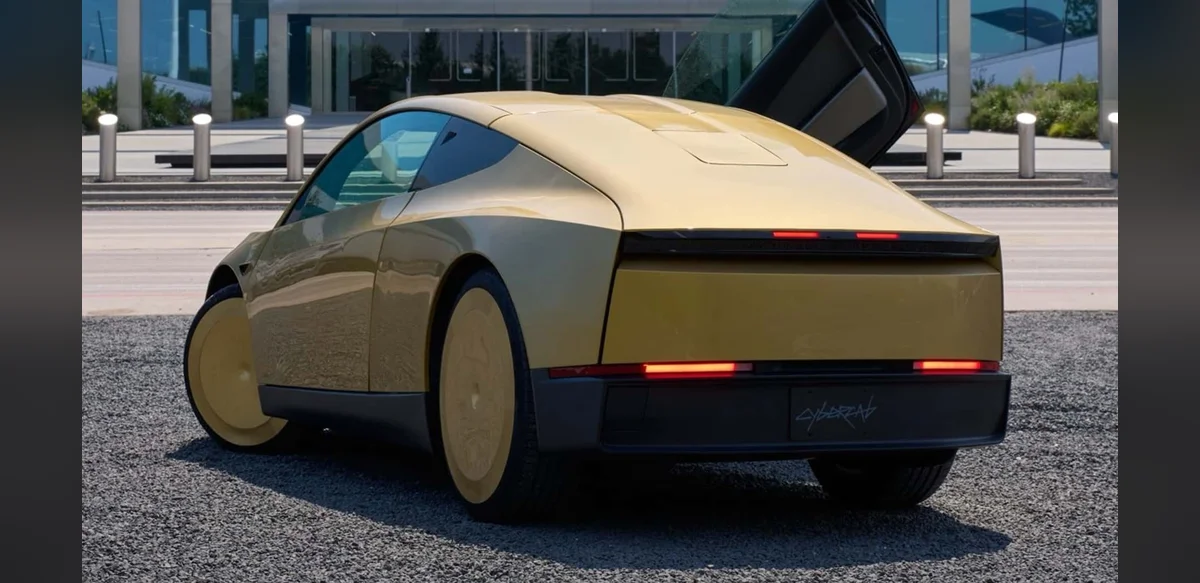
The Tesla Cybercab has introduced a factory-installed Starlink satellite system built directly into its roof structure. This development allows the vehicle to maintain communication links even when traditional cellular networks are unavailable or unreliable. Satellite connectivity serves as a supplementary channel that supports navigation functions, remote assistance operations, and the transfer of operational data between the vehicle and central systems.
In practice, the integration means that robotaxis can continue functioning effectively in areas with limited ground-based infrastructure. Navigation systems benefit from an additional data pathway that helps verify routes and respond to changing conditions. Remote support teams gain the ability to interact with vehicles without depending solely on cellular towers, which can experience congestion or outages during peak periods.
Data collection and transmission also improve under this setup. Vehicles can upload performance metrics, sensor readings, and diagnostic information through satellite channels when necessary. This redundancy reduces the risk of interruptions in service monitoring and fleet management processes.
The approach reflects broader efforts within the automotive sector to combine multiple communication technologies. By embedding satellite capabilities at the manufacturing stage, the design avoids aftermarket modifications that might affect vehicle integrity or warranty conditions. Engineers have focused on ensuring the roof integration maintains aerodynamic efficiency and weather resistance.
Industry observers note that such hybrid connectivity solutions could become more common as autonomous vehicle networks expand. Reliable links are essential for coordinating large numbers of vehicles in real time and for maintaining safety standards across diverse geographic regions. Satellite backup addresses gaps that cellular systems alone cannot always cover, particularly in rural zones or during adverse weather events.
Testing of the combined system has emphasized seamless switching between cellular and satellite modes. The vehicle prioritizes the faster cellular connection when available and activates satellite support automatically when needed. This process occurs without requiring driver intervention, consistent with the fully autonomous nature of the Cybercab platform.
From a technical standpoint, the roof placement optimizes signal reception by providing an unobstructed view of the sky. Antenna design accounts for vehicle movement and varying angles of satellite visibility. Power consumption remains within acceptable limits for electric vehicle operation, preserving overall range and efficiency.
The introduction of this feature aligns with ongoing advancements in transportation technology. It demonstrates how established satellite networks can complement emerging mobility solutions. Future iterations may refine bandwidth allocation and latency management to further enhance performance.
Overall, the Cybercab’s Starlink integration represents a practical step toward more resilient autonomous transportation systems. By addressing connectivity challenges through built-in satellite support, the design contributes to safer and more dependable robotaxi services across different operating environments.


