

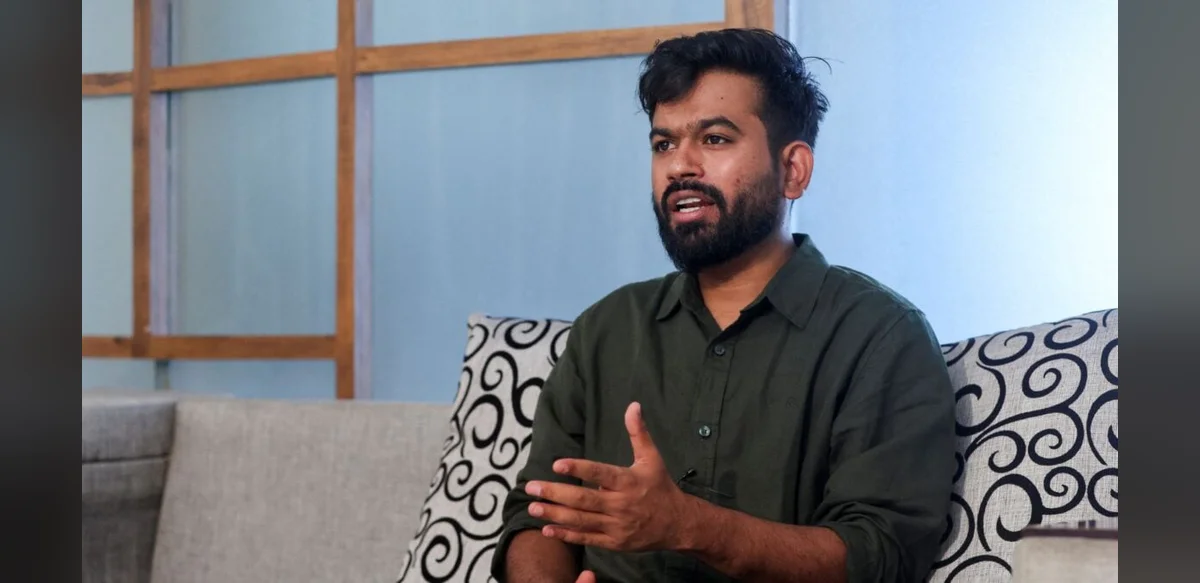
The founder of an organization known as CJP stated on August 15 that the group’s Instagram account had been suspended for a period before being reinstated. This development prompted a response from the founder expressing strong disapproval of the initial action taken by the platform. The incident highlights ongoing discussions around account management on major social media services and the processes involved in handling user reports or automated reviews.
Social media platforms maintain policies that govern content and account activity to ensure compliance with community standards. These guidelines are designed to address various issues including potential violations related to spam, misinformation, or other prohibited behaviors. In this case, the account in question was affected temporarily, leading to a claim by the founder regarding the circumstances of the suspension.
Following the restoration of access, the founder publicly criticized those perceived as responsible for the suspension. The remarks were direct and reflected frustration with the handling of the matter. Such events are not uncommon in the digital space where accounts can face reviews based on user interactions or system detections.
Observers note that platforms like Instagram often provide limited explanations for account actions to users, which can lead to uncertainty. The founder emphasized the impact this had on the organization’s ability to communicate with its audience during the affected time. Restoration occurred without further details provided on the exact cause.
This situation underscores the reliance of many groups on social media for outreach and information sharing. Interruptions, even brief ones, can affect visibility and engagement metrics. The founder positioned the response as a stand against perceived overreach in moderation practices.
Broader conversations in the field of digital communication frequently address the balance between platform accountability and user rights. Temporary suspensions followed by quick restorations illustrate the dynamic nature of these systems. Users are encouraged to review terms of service regularly to understand potential triggers for reviews.
The event took place on a Saturday, adding to the timeline of the claim made by the founder. Public statements from the individual involved focused on calling out the decision makers in strong terms. No additional information was released regarding any appeals process or internal platform communications.
In summary, the account suspension was short-lived, allowing the organization to resume normal activities shortly after. The founder’s reaction served as a public expression of discontent with the platform’s initial intervention. This type of occurrence continues to prompt reflections on the mechanisms of online content regulation and their effects on various entities.
Additional context around social media usage shows that many organizations maintain multiple channels to mitigate risks from single platform issues. The CJP case serves as an example of how quickly situations can evolve in this environment. The founder reiterated the importance of resilience in the face of such challenges.
Overall, the sequence of suspension and restoration was presented factually by the founder with accompanying commentary on the perceived motivation behind it. Platforms continue to refine their approaches to account management amid evolving user expectations and regulatory landscapes. The incident remains a point of discussion for those following developments in digital governance.


