


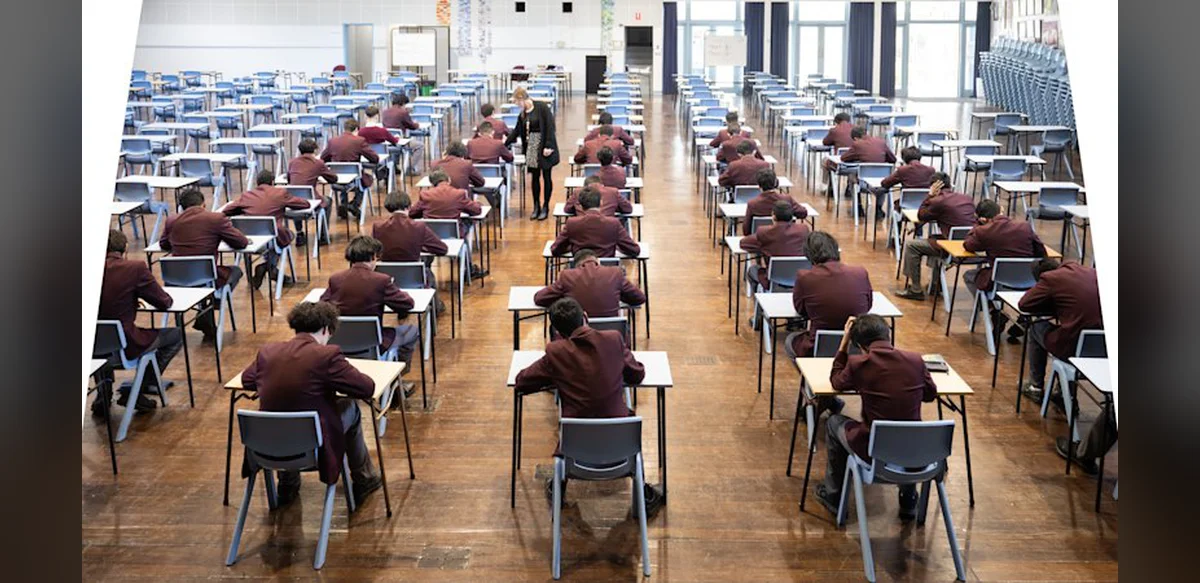
Australia has recorded its worst results in maths and reading skills since international testing began. The decline has raised concerns among educators and policymakers about the factors contributing to lower performance among students. In Victoria, attention has turned to the increasing use of digital screens in classrooms as a potential influence on these outcomes.
Recent international assessments show Australian students falling behind previous benchmarks in key areas. Maths and reading scores have dropped to levels not seen in earlier cycles of testing. This trend has prompted discussions on how classroom practices may be affecting learning.
Victorian schools have integrated more technology into daily lessons over recent years. Tablets and interactive screens are now common tools for delivering content and completing assignments. While these devices offer access to resources, some observers note that extended screen exposure could be reducing time spent on traditional reading and problem-solving exercises.
Education authorities in Victoria have monitored these developments closely. Data from state assessments align with the national pattern of declining results. Officials are examining whether the balance between digital and non-digital activities needs adjustment to support better skill development.
Parents and teachers have expressed mixed views on the role of screens. Some appreciate the engagement that technology brings to lessons, while others worry about reduced attention spans and less hands-on practice. The debate centers on finding an effective mix that maintains student interest without compromising core skills.
International comparisons highlight that countries with lower screen reliance in early education often maintain stronger results in maths and reading. Australian educators are reviewing these models to identify adaptable strategies. The focus remains on evidence-based approaches that address the specific needs of Victorian students.
Further analysis of testing data is underway to determine the extent of the decline across different year levels. Preliminary findings suggest that younger students show the most noticeable drops in foundational skills. This has led to calls for targeted interventions in primary classrooms where screen time has increased most rapidly.
School leaders are considering professional development programs to help teachers optimize technology use. Training emphasizes purposeful integration rather than constant reliance on devices. The goal is to ensure screens support rather than replace established teaching methods that build reading fluency and mathematical reasoning.
Community forums have been held in several Victorian regions to gather input on classroom practices. Participants have highlighted the need for clearer guidelines on daily screen limits. Feedback indicates broad support for maintaining a variety of learning formats to cater to different student preferences.
Ongoing monitoring will track whether adjustments to screen time policies lead to measurable improvements in future assessments. Stakeholders agree that sustained attention to both digital tools and traditional methods offers the best path forward for reversing the current downward trend in student performance.


