

Sapa, located in the northern highlands of Vietnam, offers visitors a striking combination of dramatic mountain scenery and cultural heritage. Known locally as the Town of Clouds due to its frequent mist, the area features extensive rice terraces that cascade down steep slopes, creating a distinctive agricultural landscape shaped over centuries.
The terraces are most visible during the growing season when the fields reflect sunlight in shades of green and gold. Local communities maintain these intricate systems through traditional irrigation methods that follow the natural contours of the hills. Travelers often hike along narrow paths between the paddies to observe the terrain up close.
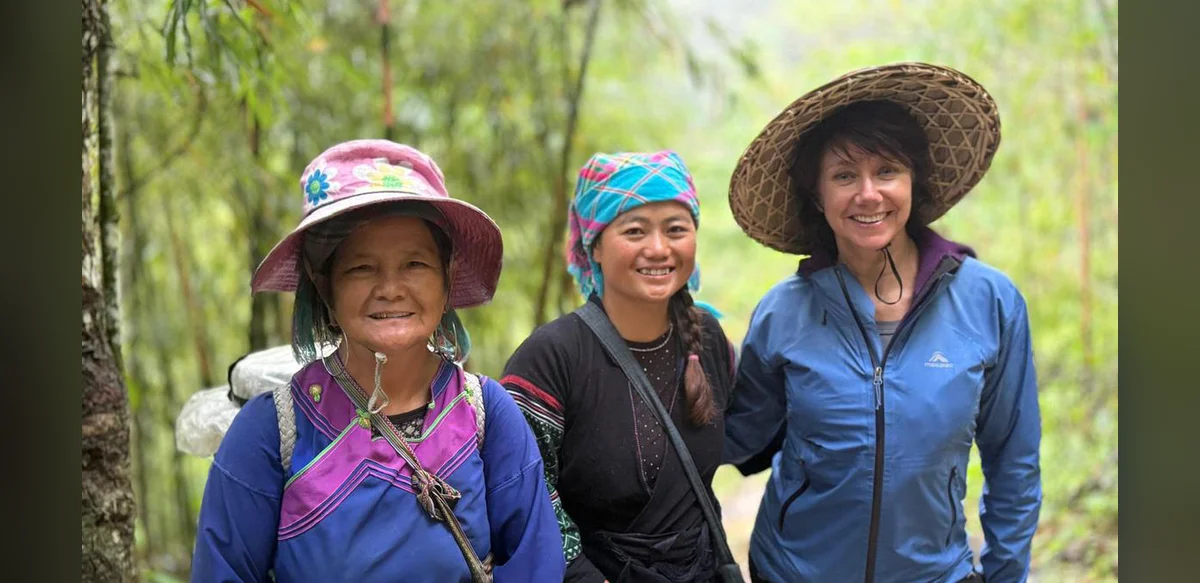
Several ethnic groups, including the Hmong and Dao peoples, maintain villages in the surrounding valleys. These settlements preserve distinct customs, clothing styles, and agricultural practices that differ from lowland Vietnamese society. Markets held on specific weekdays allow residents to trade produce, textiles, and household goods while providing outsiders a chance to see daily life.
Access to Sapa has improved with upgraded roads from Hanoi, though the final ascent remains winding. Accommodations range from basic guesthouses in the town center to lodges positioned on the outskirts with views of the terraces. Guided treks are commonly arranged through licensed operators to ensure respectful interaction with village residents.
Weather in the region varies sharply by elevation and season. Cool temperatures prevail year-round, with heavier rainfall during summer months that can affect trail conditions. Winter visits may bring frost or light snow on the highest peaks, altering the appearance of the terraces.
Conservation efforts focus on balancing tourism growth with protection of the terraces and local traditions. Authorities have introduced guidelines limiting construction in sensitive zones and encouraging homestay programs that direct income to village households. These measures aim to sustain both the environment and cultural continuity.
Beyond the immediate town, day trips reach nearby peaks such as Fansipan, the highest point in Vietnam, accessible by cable car or hiking routes. The surrounding national park contains diverse flora and fauna, including rare orchids and bird species. Photographers frequently document the changing light across the valleys at sunrise and sunset.
Sapa continues to attract both domestic and international visitors seeking a contrast to Vietnam’s coastal and urban destinations. Its combination of natural formations and living cultural practices provides a focused example of highland life in Southeast Asia.


