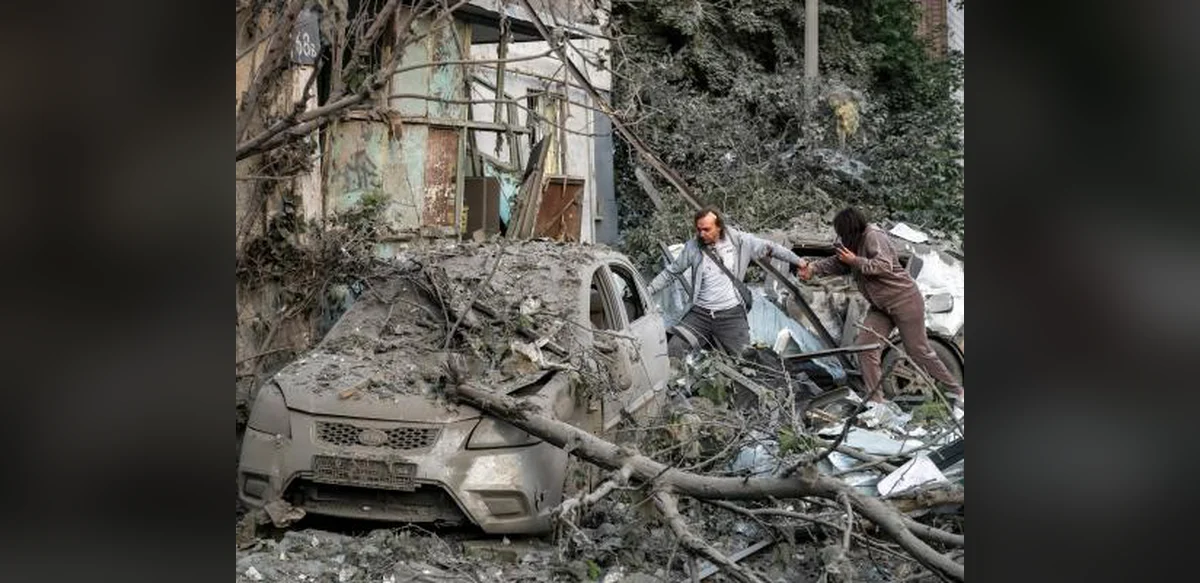
Russia’s war against Ukraine has entered its fifth year with no ceasefire in sight. American focus remains split, reducing outside influence for a settlement, as both Moscow and Kyiv continue to seek battlefield advantages. Eventually a settlement will be required. Its main elements are already clear to negotiators: Russia will abandon its initial goals, Ukraine will accept effective territorial losses, the United States will offer security assurances, and the EU will open a membership route while supporting postwar rebuilding. Under Ukraine’s constitution any agreement requires parliamentary approval and possibly a referendum. The decisive factor for domestic acceptance will be a firm EU commitment to membership. Accession would encourage reforms that reduce corruption and strengthen legal institutions, attracting investment and lowering reconstruction costs for European taxpayers. It would also give the EU greater influence with Washington and ensure European voices help shape the final accord. EU membership could further discourage future Russian attacks by complicating military planning, even without matching NATO’s defence guarantees. European Commission President Ursula von der Leyen and European Council President António Costa have described accession as Ukraine’s strongest security assurance. Benefits would flow both ways. Ukraine’s large combat-experienced army and innovative defence sector would strengthen European military capacity as the United States reduces its commitments. For this contribution to matter, membership would need to occur near 2030 rather than 2040. EU leaders remain divided. Many privately resist rapid entry, citing concerns over labour mobility, agricultural competition, rule-of-law issues, and the treatment of disputed territories. Budget transfers would be substantial, and ratification in some member states might require referendums. Precedents for other candidates would also be set. Despite these obstacles, past crises show that creative solutions can be found.