


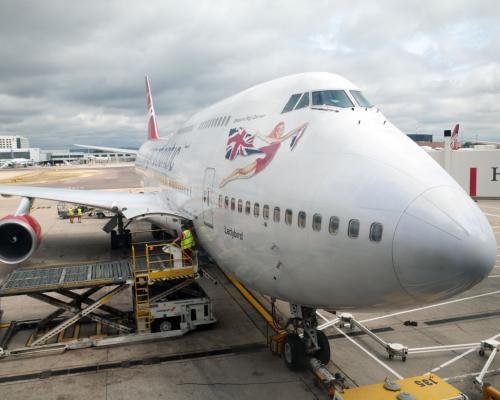
European airports have issued warnings that jet fuel supplies may become critically low in under three weeks unless oil shipments resume through the Strait of Hormuz. This situation could result in unavoidable flight cancellations across the UK and EU, affecting millions of travelers during the peak summer vacation season. The alert comes from Airports Council International Europe, which sent a letter to the EU’s energy and transport commissioners, indicating that the region is approaching a fuel shortage crisis.
The concerns stem from the possibility of repeated flight disruptions if the conflict involving the US and Israel against Iran persists. Oil prices have surged since early March following Iran’s blockade of the Strait of Hormuz, a crucial pathway for Gulf oil exports, as a countermeasure. This week, US President Donald Trump declared a two-week truce, but Brent crude prices stayed around $96 per barrel on Friday due to doubts about the ceasefire’s durability. Prior to the conflict, oil was priced at approximately $72 per barrel.
The letter emphasized that without a substantial and steady reopening of the Strait of Hormuz in the coming three weeks, widespread jet fuel shortages will affect the EU. Prices for jet fuel have escalated since late February after military actions against Iran initiated by Trump and Israeli Prime Minister Benjamin Netanyahu. According to data from the International Air Transport Association (IATA), global jet fuel costs reached $1,650 per tonne by the end of last week, more than double the previous year’s level. Asia has experienced the sharpest increase at 163% year-over-year, while Europe saw a 138% rise amid intense competition for available supplies.
Rico Luman, a transport economist at ING bank, noted that certain airlines might need to suspend operations soon as stockpiles deplete, especially at smaller facilities distant from main distribution centers. These locations typically hold reserves for only four to five weeks and depend heavily on regular deliveries. Luman suggested that carriers would likely prioritize reductions on less-traveled recreational routes to minimize rebooking issues, with such measures possibly starting in the next few weeks if shortages intensify.
In the UK, smaller operators have already halted some services. For instance, Skybus discontinued its route from Newquay to London Gatwick, and Aurigny reduced flights connecting the Channel Islands to London City, Paris, and southwestern England. Internationally, carriers like Air New Zealand, AirAsia X, Vietnam Airlines, and SAS have also trimmed schedules due to elevated costs. Ryanair’s CEO, Michael O’Leary, indicated that Europe’s biggest airline is contemplating a 10% cut in its flights.
Shipping records from Vortexa show that the last European jet fuel shipment to pass through the Strait before the conflict is scheduled to reach Copenhagen on Saturday, following a partial delivery to Rotterdam earlier in the week. The final UK-bound tanker from Saudi Arabia arrived in Kent on Tuesday aboard the Maetiga. Historically, Europe has obtained over 60% of its jet fuel from Gulf sources, with more than 40% transiting the Strait of Hormuz.
Iran’s control over this essential route has compelled European purchasers to vie with Asian markets for alternatives as remaining Gulf supplies diminish. Analysts at Macquarie highlight that the jet fuel market is especially vulnerable because, unlike crude oil, it lacks pipeline bypass options. Rising costs are expected to contribute to inflation, but actual shortages could inflict broader economic harm by curtailing travel and trade.
ACI expressed growing worries within the airport sector about fuel availability and urged the EU to monitor and intervene proactively, noting additional strain from military demands. The issues may peak at the onset of summer, when aviation supports tourism-dependent economies. IATA Director General Willie Walsh stated that even if the Strait reopens, restoring supply levels could take months due to damaged refining infrastructure in the Middle East. Prior to the disruption, IATA forecasted a 4.9% annual increase in passenger traffic.

