

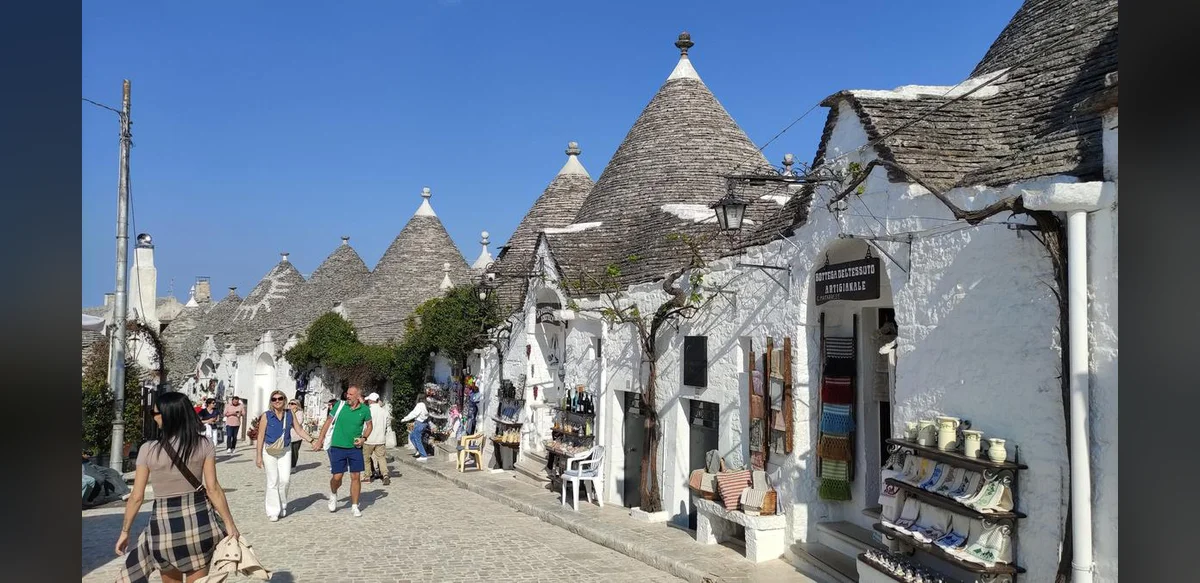
Puglia continues to draw visitors seeking more than standard sightseeing. The region offers opportunities for deeper engagement with its landscapes, traditions and daily rhythms. Travelers increasingly look for ways to experience the area beyond crowded highlights.
Local guides emphasize smaller towns and countryside routes. These paths allow closer contact with olive groves, historic farms and coastal stretches that remain less developed. Such choices help reduce pressure on popular sites while supporting community-based activities.
Food plays a central role in any visit. Markets and family-run kitchens provide insight into seasonal ingredients and preparation methods passed down through generations. Cooking sessions focused on regional recipes give participants practical understanding of local produce and techniques.
Accommodations in restored farmhouses or village homes create a different pace. Guests often share spaces with residents, learning about ongoing agricultural work and seasonal changes. This setup encourages conversations that reveal practical aspects of life in the area.
Walking trails connect inland villages with the Adriatic shoreline. Routes pass through fields and along dry stone walls, offering views of both cultivated land and natural vegetation. Early morning or late afternoon timing avoids peak heat and larger groups.
Artisan workshops demonstrate traditional crafts such as pottery and textile work. These sessions highlight materials sourced nearby and the skills required to maintain them. Visitors gain appreciation for the labor involved in preserving cultural practices.
Transportation by local bus or bicycle supports slower movement through the territory. This approach reveals details often missed from faster vehicles, including roadside shrines, small chapels and changing light across the plains.
Evening gatherings in town squares frequently feature live music or storytelling. These events reflect current community interests rather than staged performances. Participation allows observation of social patterns without intrusion.
Conservation efforts focus on maintaining biodiversity in both marine and terrestrial zones. Educational walks led by naturalists explain species interactions and the impact of tourism patterns. Such information helps visitors make informed decisions during their stay.
Overall, the emphasis remains on measured exploration. By choosing less traveled routes and engaging directly with residents, visitors can form a more grounded view of Puglia while contributing to its sustainable use.


