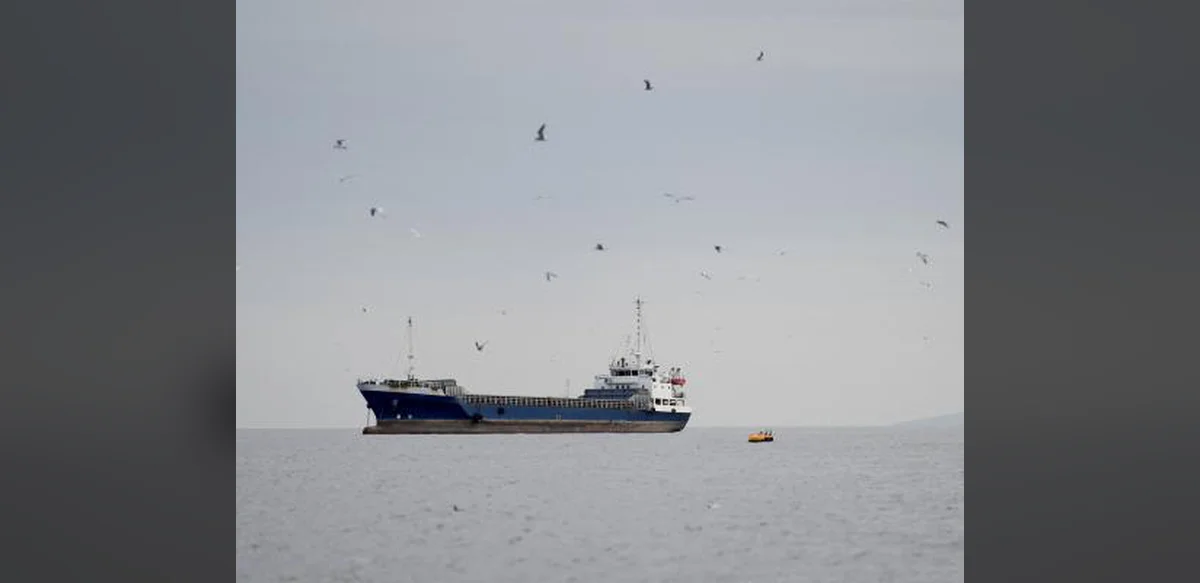
Negotiations over the weekend between the United States and Iran highlighted the reopening of the Strait of Hormuz as a key dispute. Iran has expressed interest in maintaining authority over the passage post-conflict and proposed imposing fees of up to $2 million per vessel for passage. This idea has been dismissed by President Donald Trump and other international figures as a threat to open navigation. Although Trump maintains that restoring access is not his duty, he faces demands to address the matter to prevent further economic fallout from the ongoing closure. Success in his approach could diminish Iran’s bargaining power, reopen trade routes, and possibly reduce oil costs. Details from the U.S. military remain limited, including the number of ships involved, potential use of aircraft, or support from regional partners. Analysts believe direct attacks on ships are improbable due to environmental hazards, suggesting instead that the Navy might use warnings to redirect vessels or deploy teams to seize control if necessary. Dana Stroul, a former high-ranking Pentagon official now with the Washington Institute for Near East Policy, noted that Trump seeks a rapid solution, but the operation is challenging to manage independently and may not endure long-term. Energy expert Michael Lynch from the Energy Policy Research Foundation predicts that the proposed blockade could raise oil prices by $5 to $10 per barrel, removing about 2 million barrels daily from supply, compounding the 10 million already lost due to the conflict. He described it as adding significant strain to an existing crisis but anticipates it might end quickly under pressure, possibly by midweek if prices continue rising. Brent crude has surged from around $70 per barrel before the late February hostilities to over $119 at peaks. According to Lloyd’s List Intelligence, all movement through the strait halted following Trump’s announcement on Truth Social of a U.S. blockade, with two outbound ships reversing course. Limited activity resumed after a temporary halt in fighting, including three oil-laden supertankers passing on Saturday, compared to the usual 140 vessels daily. Trump indicated indifference to Iran’s return to talks after the unsuccessful discussions in Pakistan, stating he is content either way. Separately, Trump criticized Pope Leo XIV, calling him ineffective on crime and foreign affairs, and suggesting his leadership damages the Catholic Church. He claimed credit for the U.S.-born pope’s election and preferred the pope’s brother Louis for aligning with his views. The remarks followed the pope’s condemnation of overconfidence driving the U.S.-Israel conflict with Iran, urging dialogue for peace. During a prayer event in St. Peter’s Basilica coinciding with the talks, the pope’s comments seemed aimed at U.S. leaders emphasizing military strength and framing the war religiously, though without direct references. Trump later told reporters he disapproves of the pope’s performance. This is ongoing coverage of the U.S.-Israel conflict with Iran and its broader impacts on the region, global affairs, and the economy. Key updates include Trump’s statement that the U.S.